Curious kids can explore science through experiments, building, and games that make learning part of play.
These six gift ideas suit a range of ages and interests, with options for family activities and quiet practice.
6 Gift Ideas for Young Science Lovers
Light-up Crystal Growing Kit
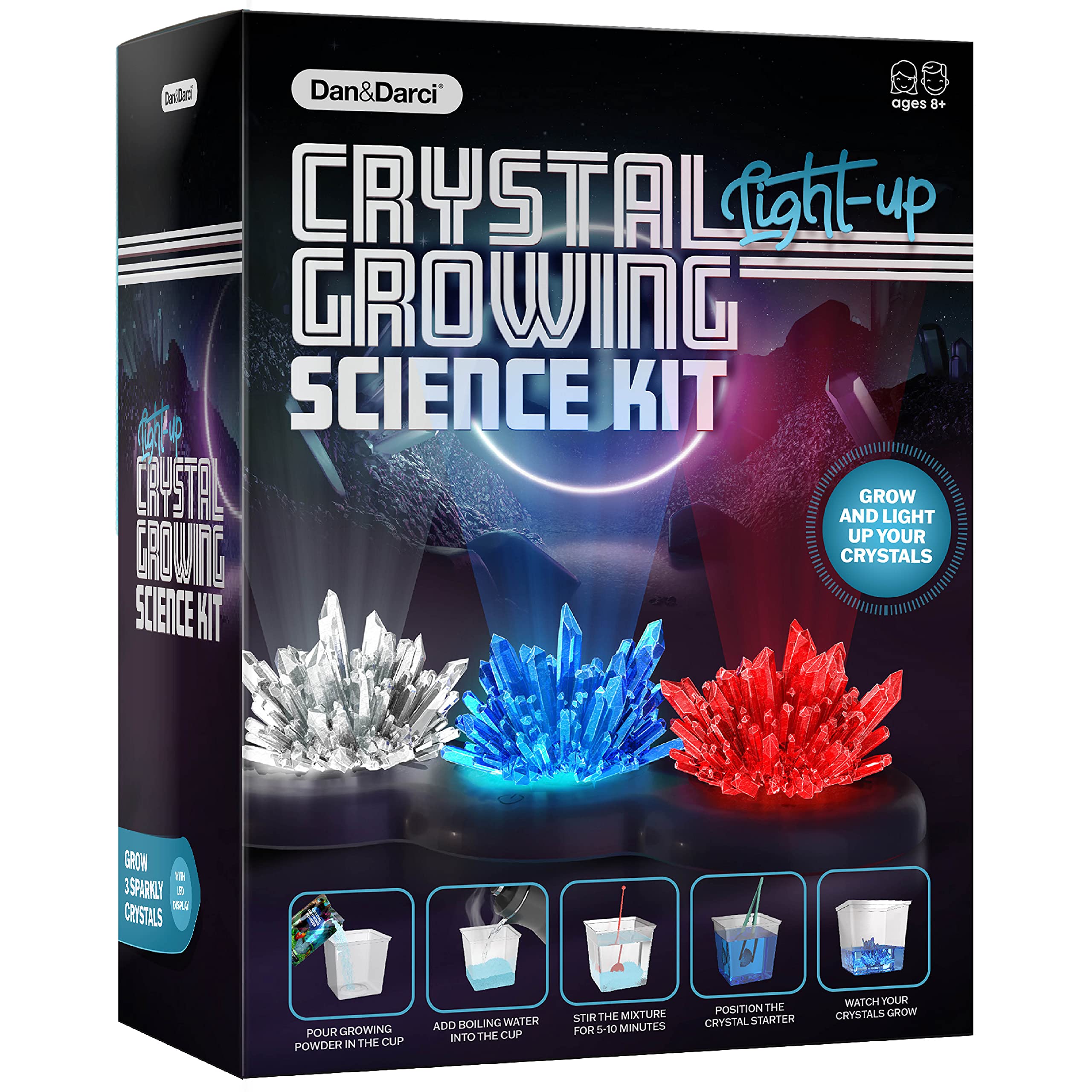
- Grow red, blue, and clear crystals, then display them on the light-up stand.
- An illustrated booklet explains how crystals are formed.
- The kit includes a USB-powered LED display and three growing cups.
Best Gift For: A young science fan who would enjoy growing and displaying crystals.

GeoSafari My First Microscope
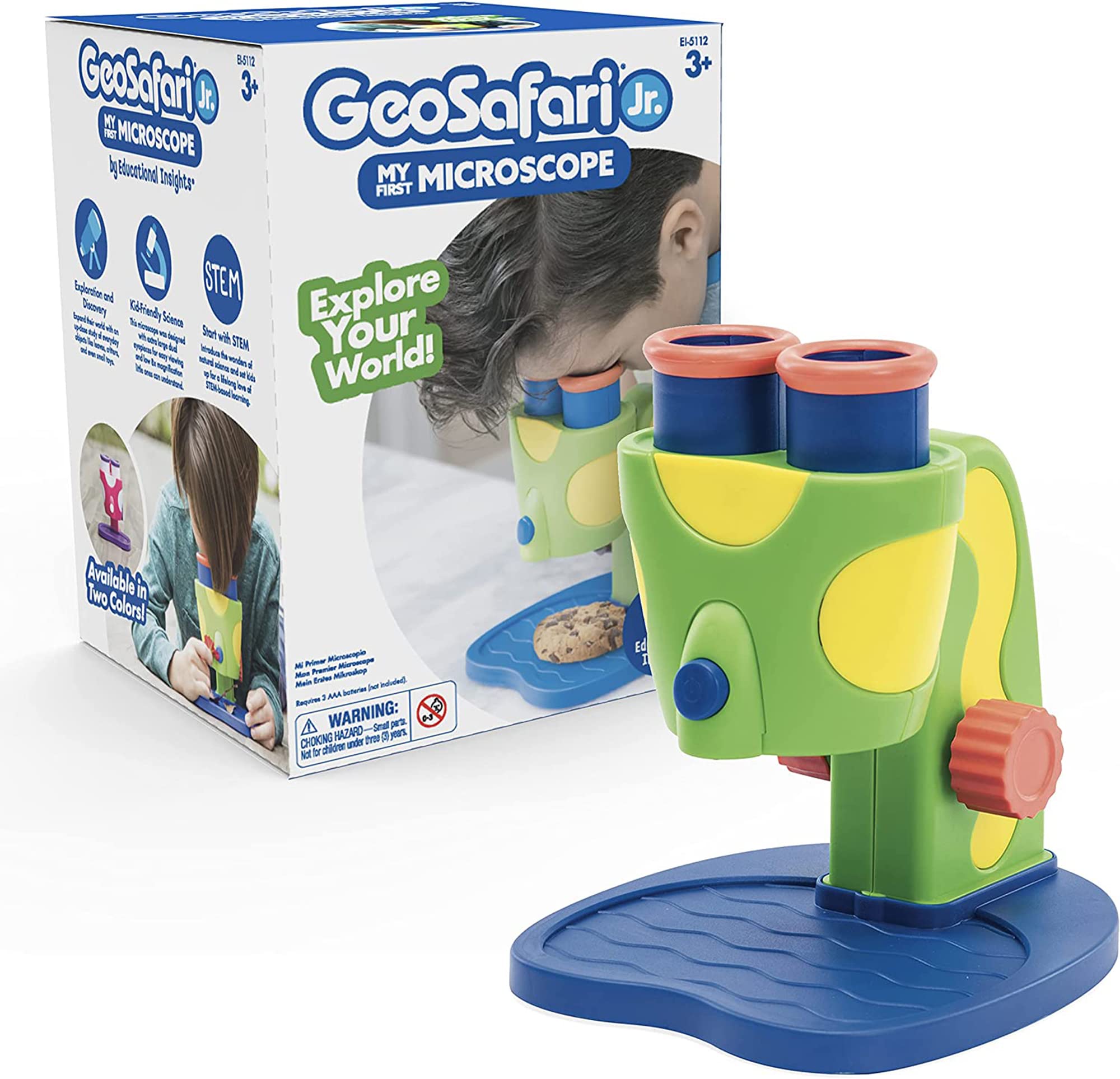
- Two large eyepieces mean there is no need to close one eye.
- The overhead LED illuminates the sample tray.
- Includes prepared slides with storage; three AAA batteries are required and not included.
Best Gift For: A young learner ready to explore prepared slides and hands-on science.
My First Dinosaurs Magnetic Building Set
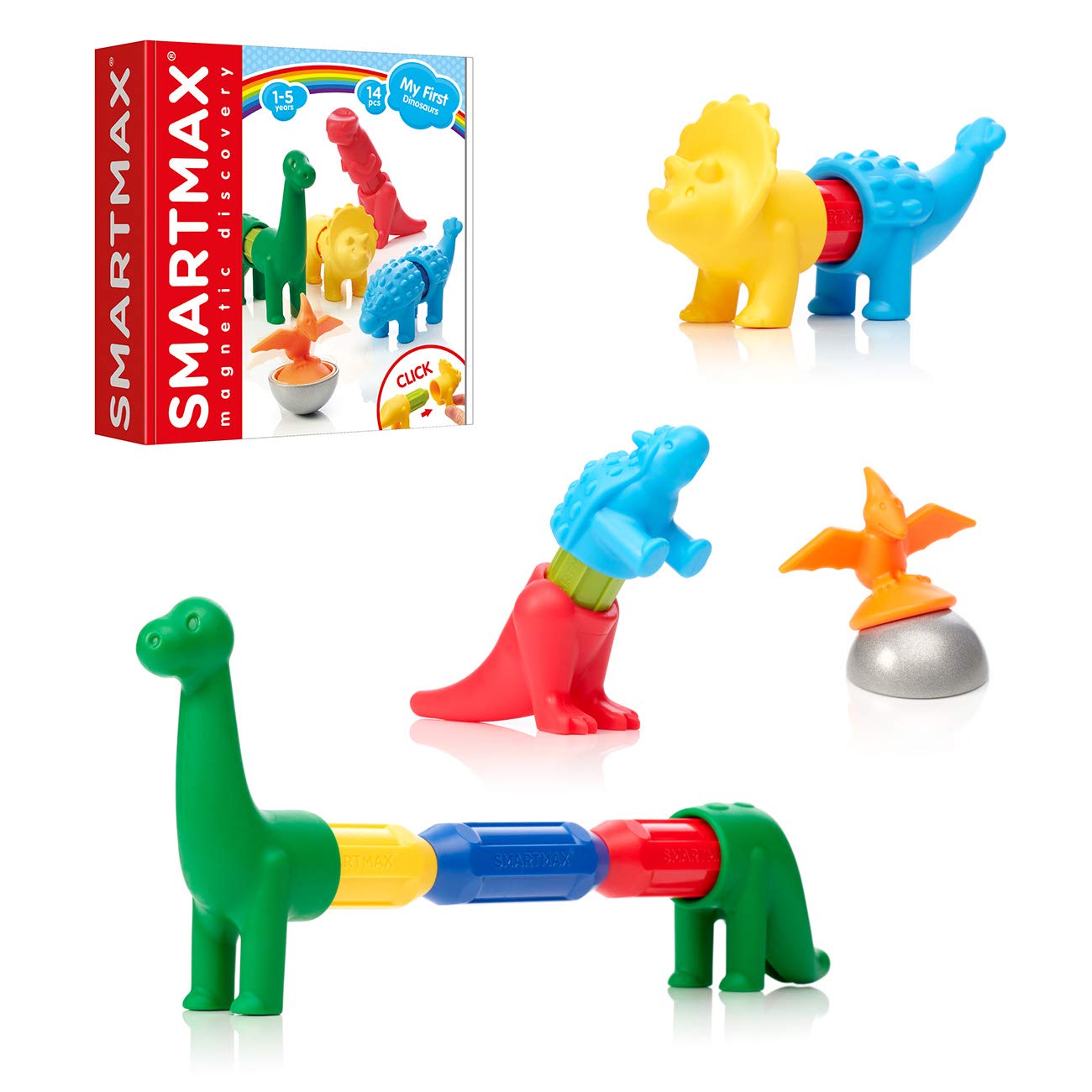
- Build dinosaur figures or mix and match pieces for new creations.
- The set has large magnetic bars and soft dinosaur pieces for little hands.
- SmartMax sets are compatible for combining and expanding builds.
Best Gift For: A young dinosaur enthusiast who enjoys building and imaginative play.
1-2-3 Build It Robot Factory
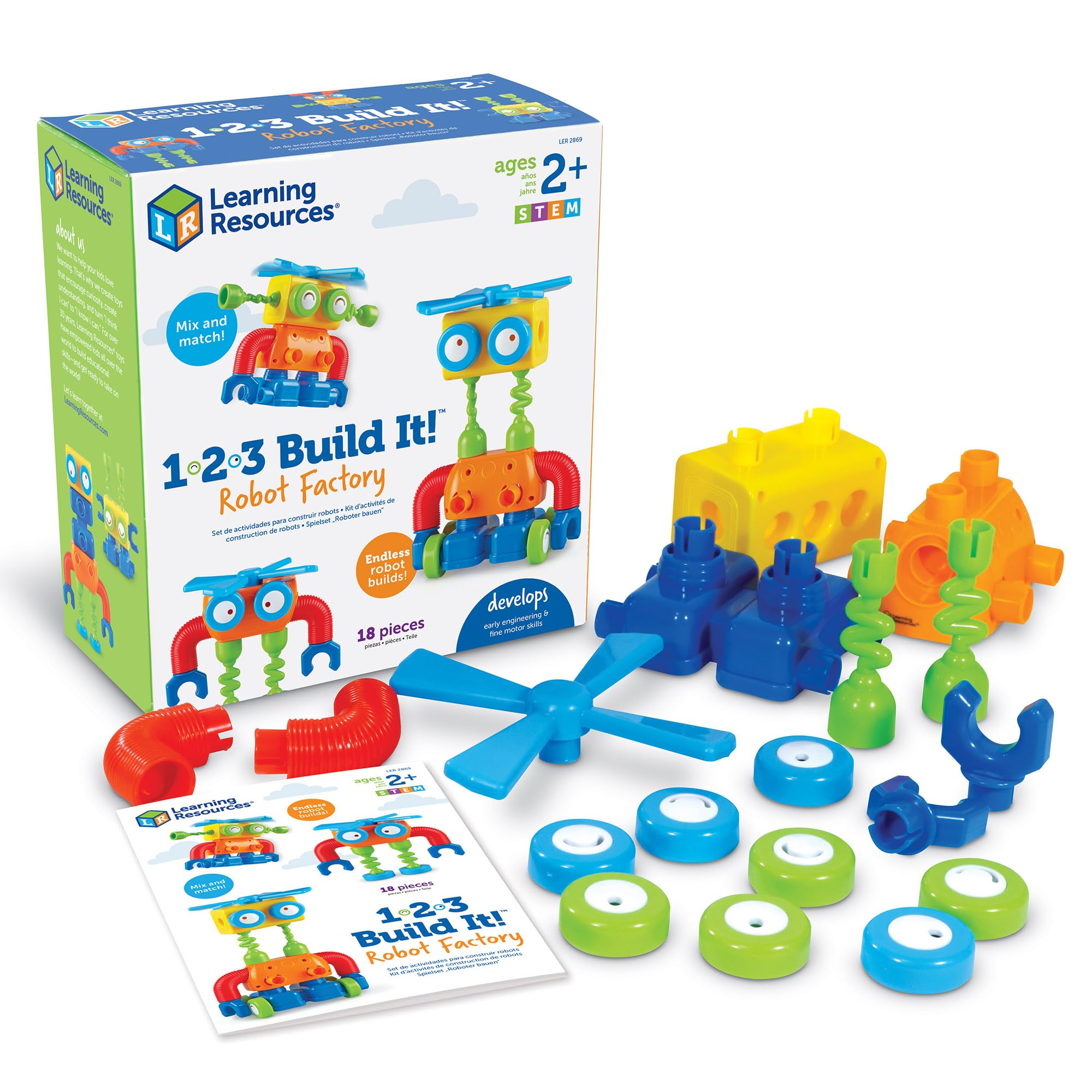
- Build-it-yourself play invites kids to create imaginative robots.
- Building play supports early engineering and critical thinking practice.
- The pieces work with other 1-2-3 Build It! sets.
Best Gift For: A toddler who likes making imaginative robots and practicing early building skills.
Sum Swamp Addition and Subtraction Game
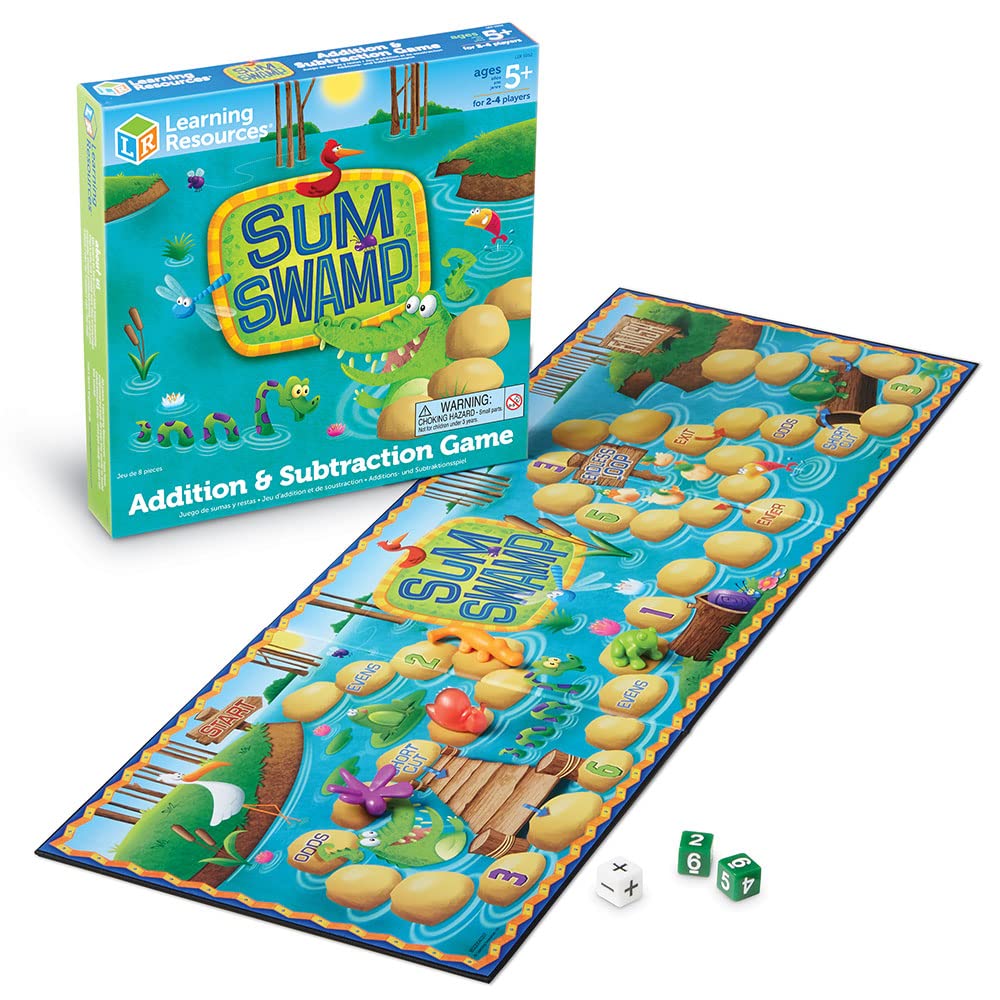
- Game-based play practices addition and subtraction.
- The game introduces addition, subtraction, and even and odd numbers.
- Quick sessions make room for family play and practice.
Best Gift For: A family seeking a playful way to practice early addition and subtraction together.
Minute Math Electronic Flash Card
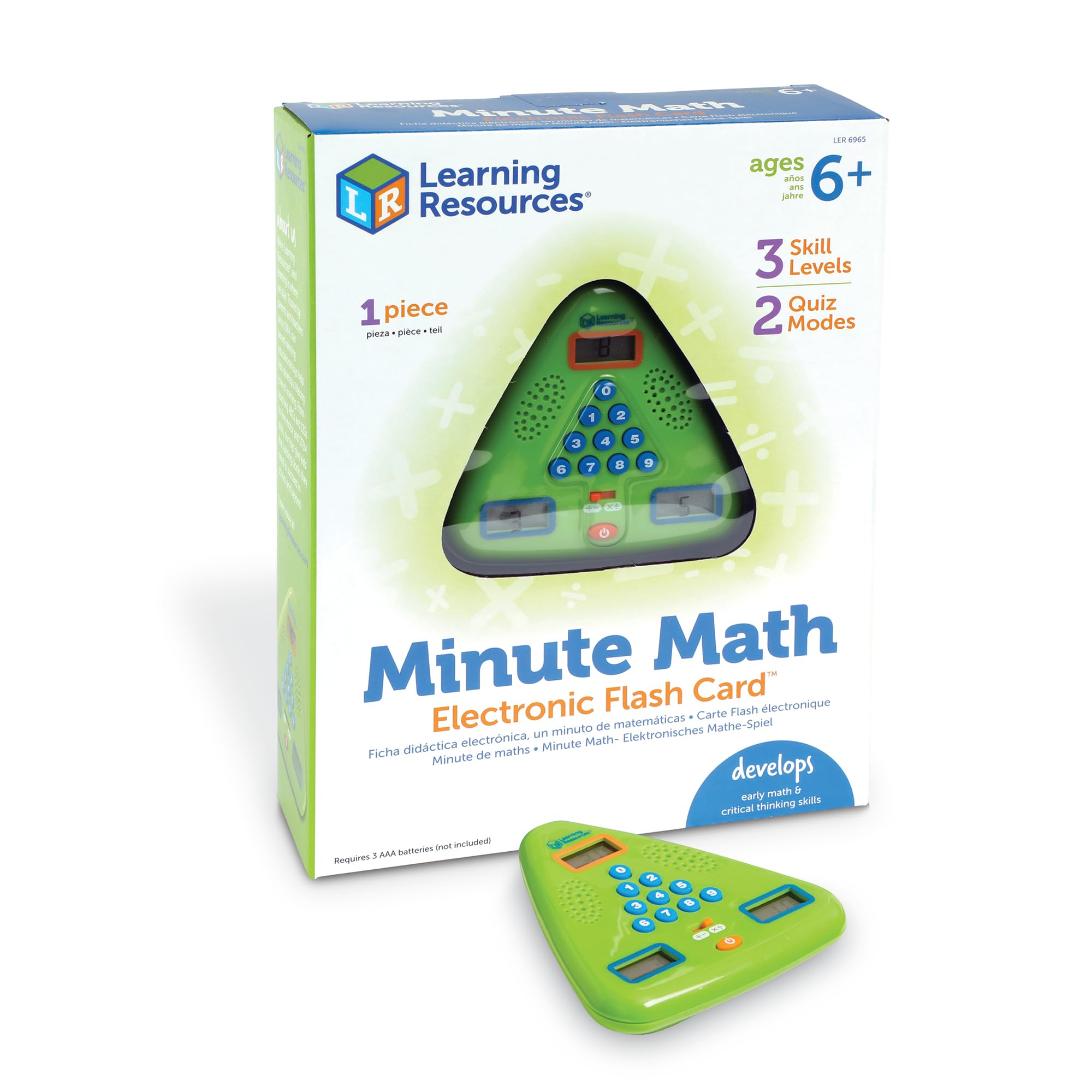
- Practice addition, subtraction, multiplication, and division.
- One-minute challenges offer timed practice for classroom tests.
- Silent mode suits quiet practice in shared spaces.
Best Gift For: A student who wants short math practice sessions at home or while waiting.
Choosing gifts for science lovers under 50
When choosing gifts for science lovers under 50, start with the child’s age and the kind of discovery that holds their attention. A child who likes watching changes happen may enjoy a crystal activity, while a budding observer may prefer looking closely at prepared samples.
For younger children, consider whether the gift invites shared play and simple exploration. Building toys and math games can make a good fit when a child enjoys handling pieces, taking turns, or making things with a grown-up nearby.
Think about where the gift will be used. A tabletop activity can suit a weekend at home, while a portable practice tool may be easier to bring along for a quiet moment during a wait.
Balancing price and play value
With a modest budget, look at how a gift will be used after the first unboxing. A kit with materials and instructions can offer a focused project, while a reusable game or building set may return to the play rotation in shorter sessions.
Check what is included before deciding. Some activities rely on household supplies or batteries, and compatibility with existing toys can matter when the child already owns related sets.
Review current product details so you know what else may be needed.
A lower-cost choice can still feel thoughtful when it matches a clear interest. Consider whether the recipient prefers solo exploration, family play, or quick practice, then choose the format they are most likely to reach for.
Personalizing gifts for science lovers under 50
Personalize a gift around the recipient’s current curiosity: dinosaurs, tiny details, making things, or number puzzles. A short note can invite a first activity, such as choosing a household object to inspect or inventing a new creature to build.
Presentation can add warmth without adding much cost. Pair the gift with a handwritten card describing why it reminded you of the child, or wrap it with paper decorated in simple stars, shapes, or playful sketches.
For a group gift, ask another family member to contribute an idea for the first activity. That turns the present into a shared plan and helps the child connect the gift with a person and a moment.
Make the gift easy to start
A science or learning gift is more inviting when the first step is clear. If you are giving it in person, include a note suggesting when to try it together, such as a quiet afternoon or a family game break.
For gifts for science lovers under 50, check the latest details for included components, battery needs, and compatibility before ordering. Match the choice to the child’s available space and attention span so it feels manageable to begin.
If timing matters, check the current delivery estimate and choose a seller option that meets your schedule. Keep wrapping simple if the gift may need a quick handoff, and include a card so the thought behind it still comes through.
A thoughtful finish
Keep the recipient’s routines in mind: a small activity that fits an after-school window may be more useful than a project that needs a long setup. For a child who enjoys company, plan to join the first round or help read the instructions.
Avoid turning the gift into a lesson or a test. Let curiosity lead, and give the child room to experiment, ask questions, or return to the activity later.
The most personal touch is often showing interest in what they discover.
Before wrapping, check that the box is intact and gather any card or note you want to include. A brief message about what made you think of the recipient gives even a practical learning gift a warm, personal finish.