For a science-loving child or curious student, a thoughtful gift can turn a quiet afternoon into a chance to explore, build, or practice. These six ideas span hands-on experiments, STEM-inspired play, and useful study tools.
The selection includes options for young builders, budding collectors, and learners who enjoy a little structure at their desk.
6 Gift Ideas for Curious Science Lovers
TOMLOV DM9B 7-inch Digital Microscope, 1200X, 16GB
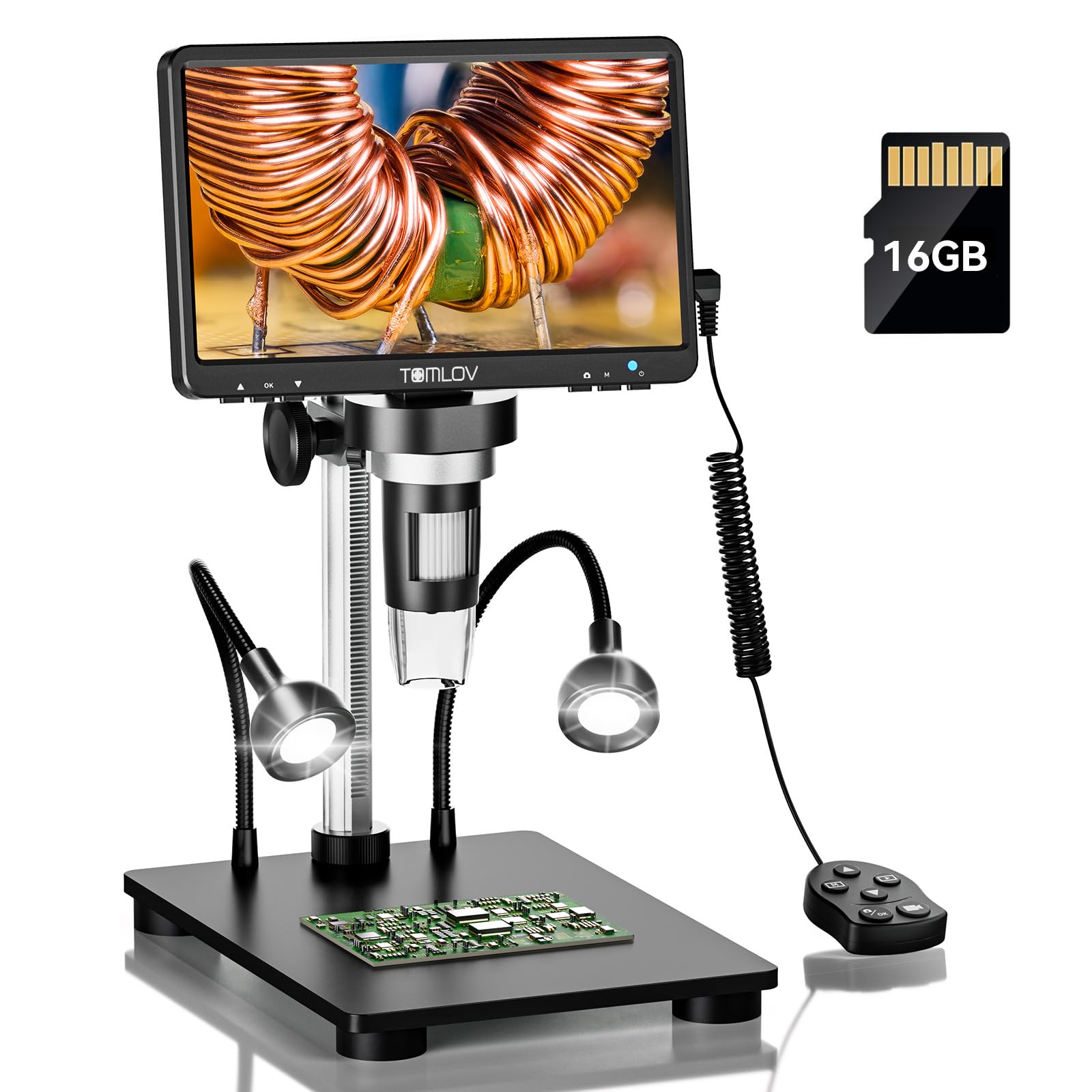
- A 7-inch rotatable screen supports viewing and positioning during close-up observation.
- Magnification ranges from 5X to 1200X for inspecting small objects.
- A 16GB Micro SD card stores photos and videos.
Best Gift For: A coin collector, student, or hobbyist who enjoys examining small details.

Light-up Crystal Growing Kit for Kids
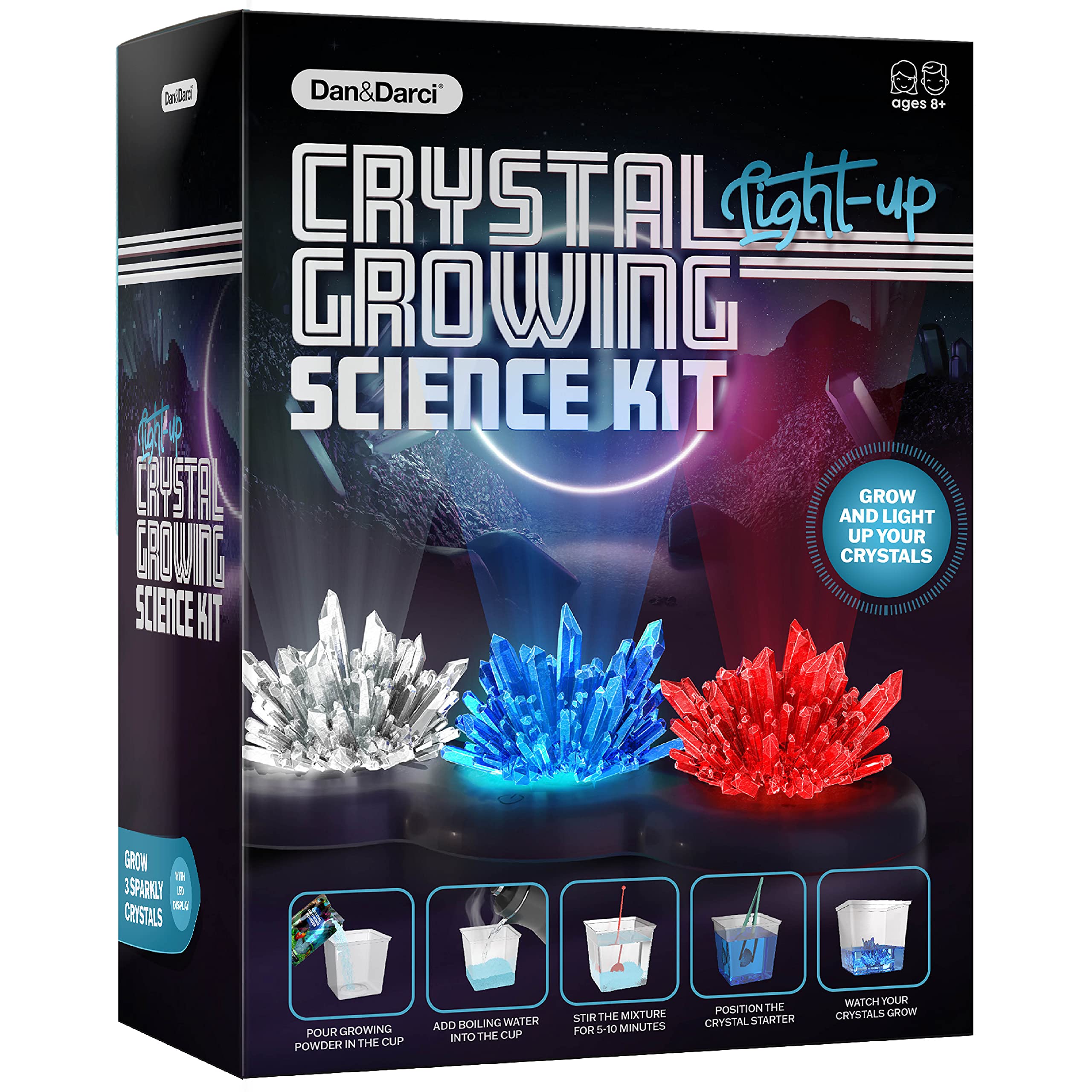
- Grow red, blue, and clear crystals, then display them on the included light-up base.
- The illustrated booklet explains how crystals are formed.
- The kit includes growing cups, crystal powder, starters, and a mixing stick.
Best Gift For: A young learner who would enjoy growing crystals and learning how they form.
SmartMax My First Dinosaurs Magnetic Building Set
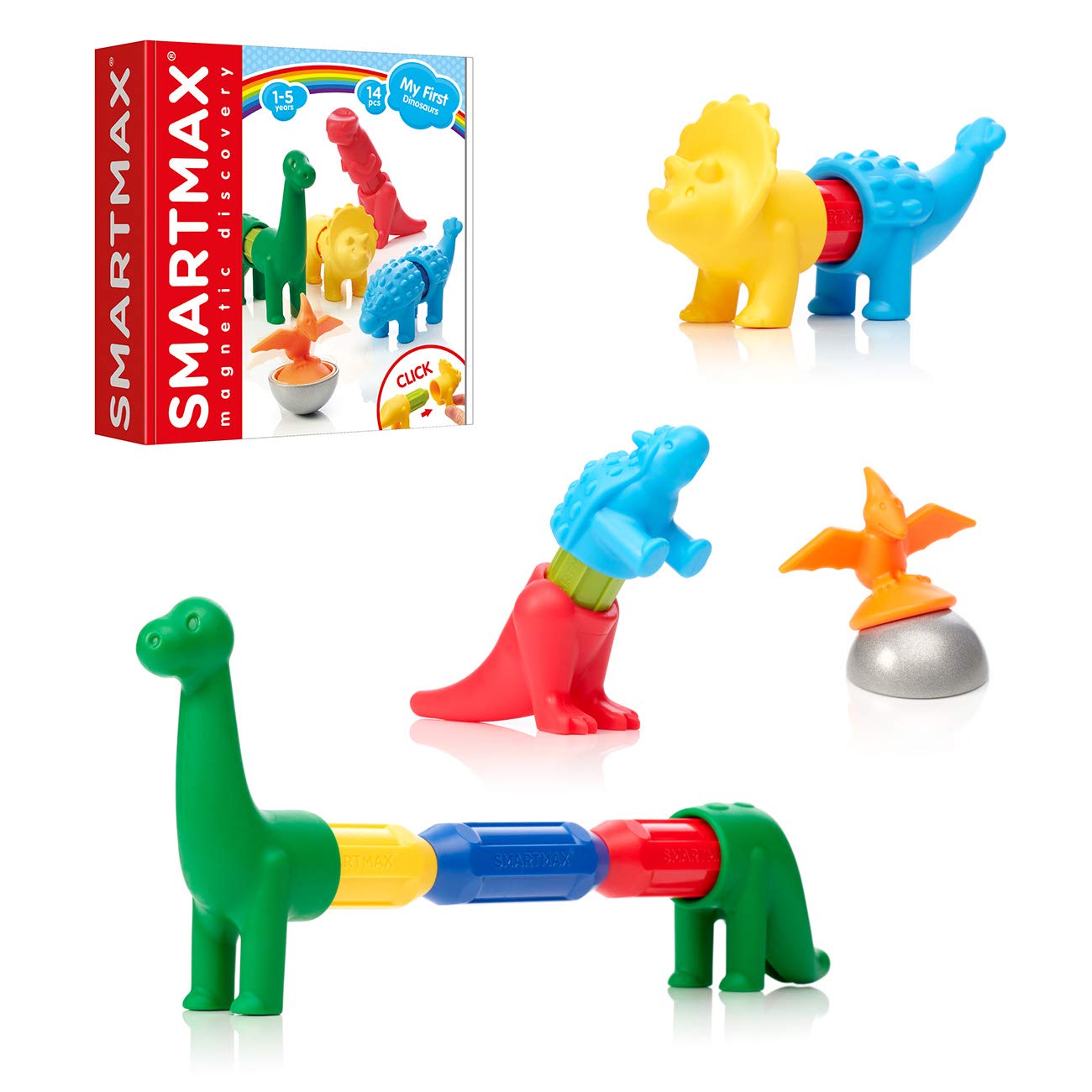
- Children can assemble or mix and match dinosaur figures.
- The magnetic pieces introduce early magnetism and problem-solving.
- The set includes colorful magnetic bars and soft dinosaur pieces.
Best Gift For: A young dinosaur fan ready for early magnetic building and STEM play.
burgkidz STEM Pipe Tube Building Set, 188 Pieces
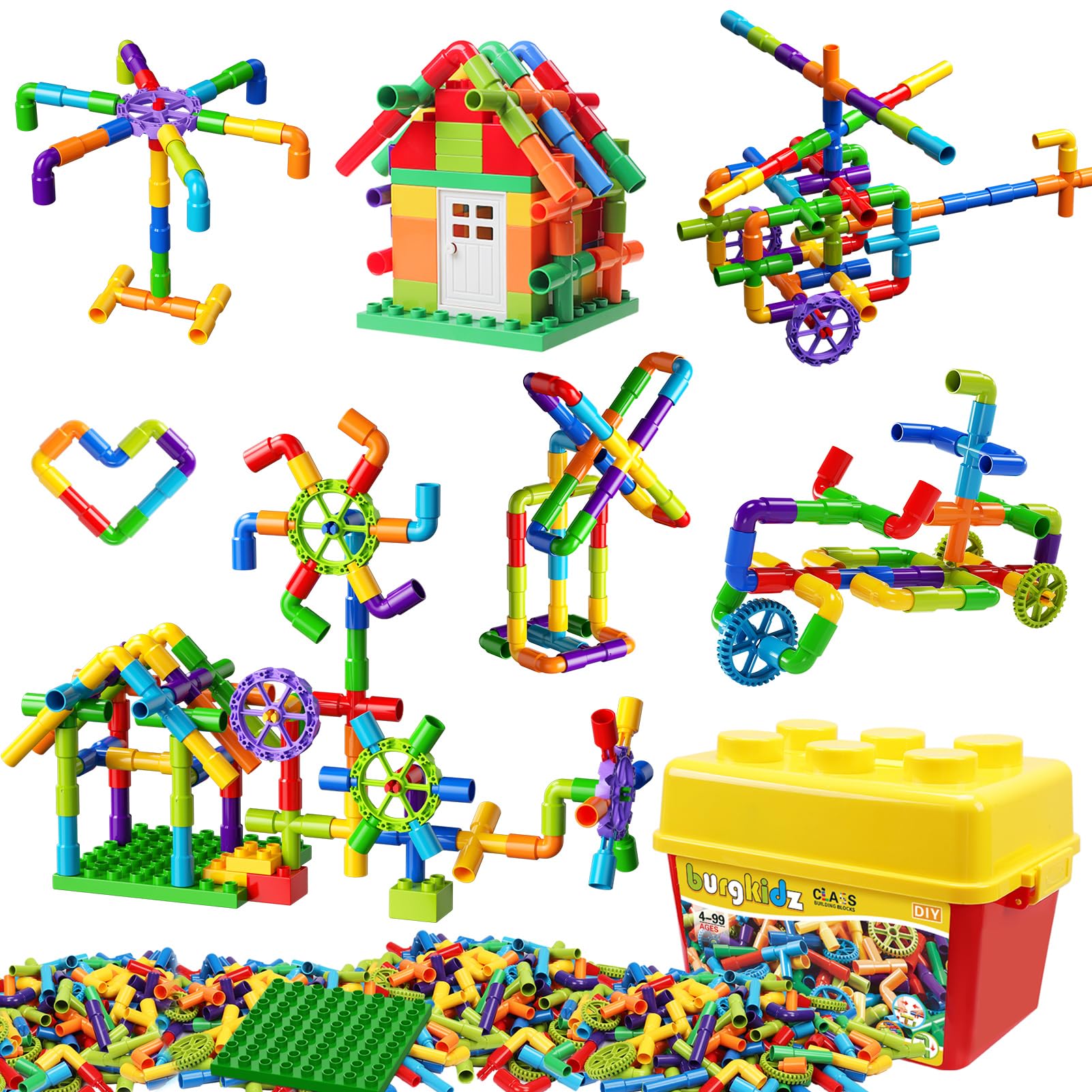
- Build geometric shapes while practicing spatial thinking and early math.
- The pieces can mix with other building blocks and baseplates.
- A storage box with a clip lid and handle makes it easier to carry and put away.
Best Gift For: A child who likes open-ended construction and exploring shapes.
Learning Resources Minute Math Electronic Flash Card
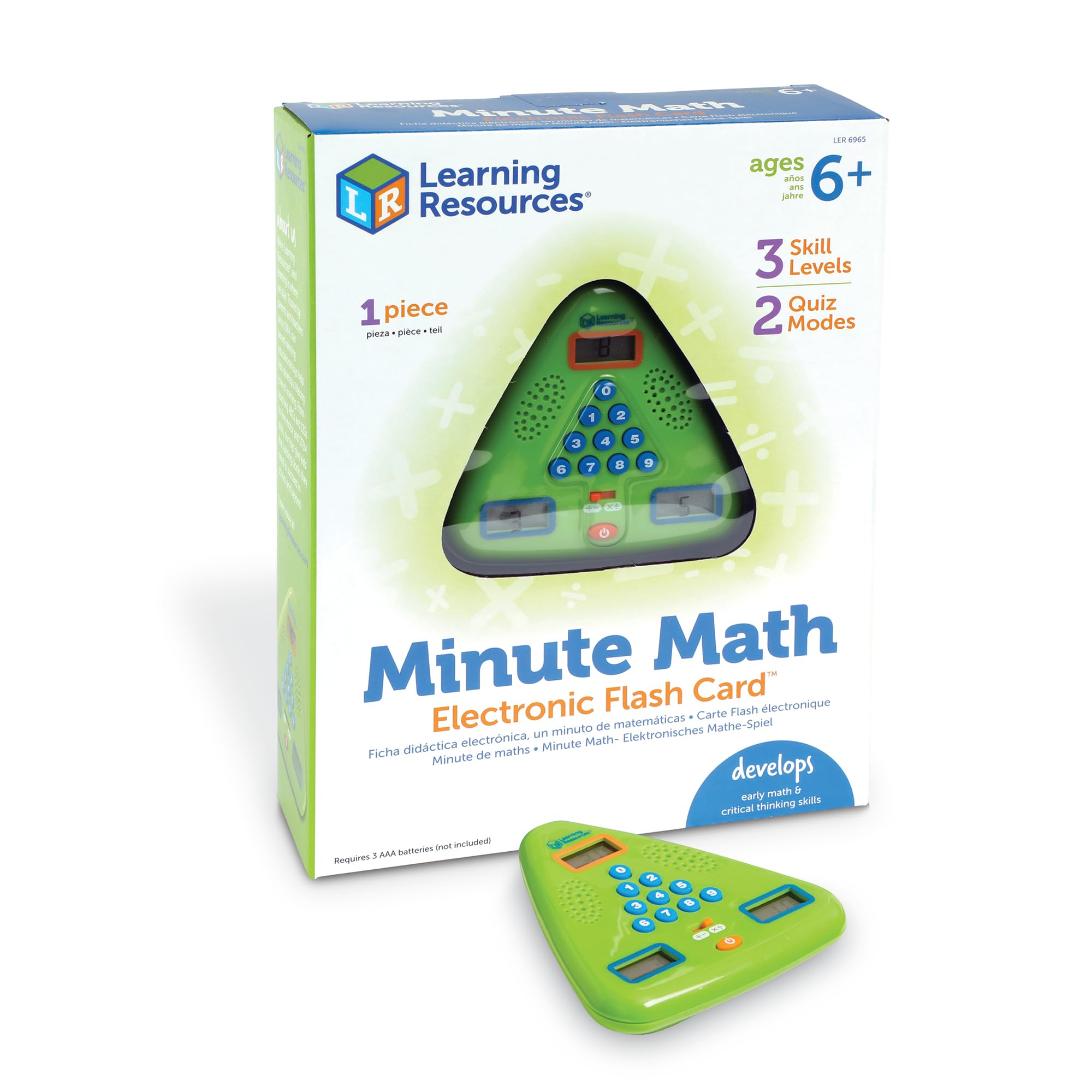
- Practice addition, subtraction, multiplication, and division.
- One-minute challenges turn fact practice into a timed game.
- A silent mode supports quieter practice in shared spaces.
Best Gift For: A student who wants short math practice at home, in a classroom, or while waiting.
SKYDUE 360-Degree Rotating Desk Organizer, 5 Slots
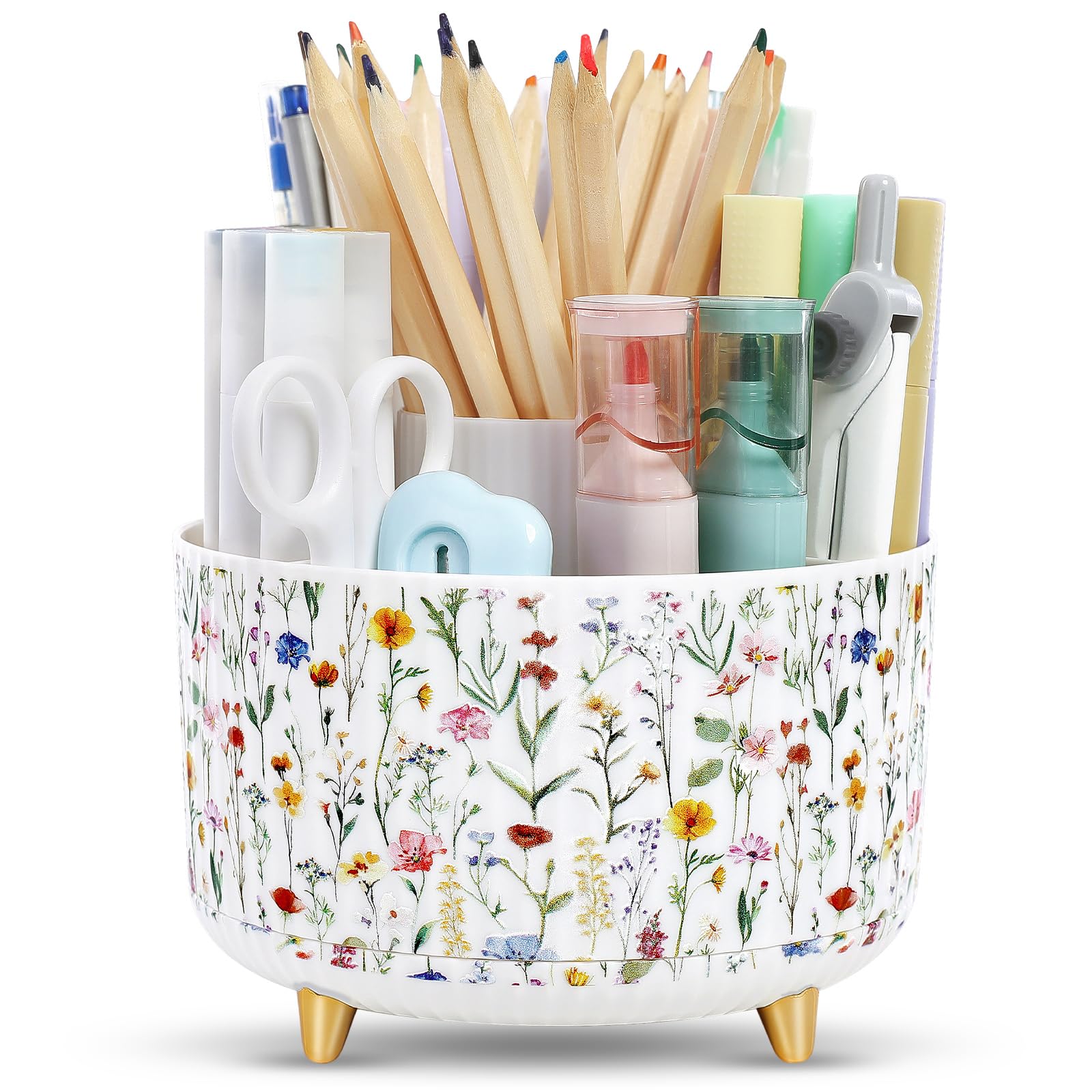
- Five compartments organize supplies without using much desktop space.
- The holder rotates for easier access to writing tools.
- It can hold everyday office supplies, art supplies, or markers.
Best Gift For: A student who likes keeping writing tools and small supplies organized on a desk.
Choosing gifts for science lovers under 100
When choosing gifts for science lovers under 100, start with the recipient’s age, attention span, and favorite way to learn. A child who likes mixing and observing may enjoy a guided experiment, while a young builder may prefer magnetic pieces or open-ended construction.
For an older student or collector, think about whether a tool or study aid would fit naturally into their routine.
Consider where the gift will be used. A shared kitchen table, classroom, and personal desk each call for different levels of setup and storage.
Check age guidance, available space, and whether the recipient has a compatible computer or other equipment before choosing a more specialized item.
If you are unsure of their current interests, choose a gift that invites more than one kind of use. Building, observing, and practicing can all appeal to curious learners, but the best fit depends on whether they like independent projects, collaborative play, or a short daily challenge.
Set a comfortable budget
A useful budget can guide the choice without turning the gift into a contest over features. Smaller study tools and desk accessories can make practical presents, while a larger hands-on set may offer more pieces or a dedicated viewing setup.
Compare what each recipient is likely to use rather than paying for capabilities they may not need.
Think about the full setup before deciding. Check actual prices, dimensions, compatibility, and whether the recipient already owns related materials.
Some experiments and projects are best enjoyed with adult help or a clear place to work, so consider those practical needs alongside the gift itself.
For a classroom or family gift, you might coordinate with another giver and choose one shared activity. For an individual present, a modest item paired with a handwritten note or a small companion notebook can feel complete while keeping spending within your comfort zone.
Personalize the gift for their curiosity
For gifts for science lovers under 100, a little personalization can make a practical choice feel connected to the recipient. Pair a building set with a note suggesting a shape or structure to try, or include a blank notebook for sketches, questions, and observations.
Keep the suggestion open-ended so the recipient can follow their own interests.
Presentation can also set the tone. Wrap an experiment kit with a simple invitation to grow, observe, and record what changes, or place a desk tool alongside a note recognizing the recipient’s new study space.
For young children, involve a caregiver in the plan so the activity suits the household’s routines.
If you know a favorite topic—dinosaurs, rocks, coins, or math—use it in the card rather than adding unrelated accessories. A specific message shows you noticed what they enjoy and gives them an easy starting point without making the gift feel like homework.
Make the gift easy to use
When time is short, choose from what you know: age range, interests, and where the recipient can use the gift. Check the product details for dimensions, compatibility, included components, and delivery estimates before ordering.
Those checks help avoid a present that needs a missing accessory or does not fit the intended space.
For a last-minute physical gift, keep presentation simple and add a printed note with a suggested first activity. If delivery timing is uncertain, a card describing the planned gift can preserve the moment while you confirm the order details.
Avoid promising a particular arrival date until the estimate is clear.
A useful gift does not need an elaborate reveal. Give the recipient room to explore at their own pace, and offer to join in if they want company.
That makes a science-themed present feel welcoming whether it leads to a shared project or quiet independent discovery.
A thoughtful finish for gifts for science lovers under 100
The strongest choice is one that matches how the recipient already learns and plays. A young child may want bright pieces and simple ways to build, while a student may appreciate a tool that supports practice or careful observation.
Let the person’s habits guide your decision.
Before wrapping, review the gift’s setup needs and make sure the recipient or caregiver can use it comfortably. Check current product details and delivery estimates, then add a short note naming what made you think of them.
A personal reason often says more than a long explanation of features.
Whether the gift is for a birthday, a school milestone, or a small surprise, leave room for curiosity to take the lead. The recipient can decide what to build, examine, or practice next—and that sense of choice is part of what makes an educational gift enjoyable.