For a history lover, a good reading nook can make time with a favorite book even better. These nine gift ideas pair reading comforts with useful ways to organize books and jot down notes.
Choose a small, personal extra or something that helps shape a dedicated study corner.
9 Gift Ideas for History Lovers
Glocusent Rechargeable Neck Reading Light
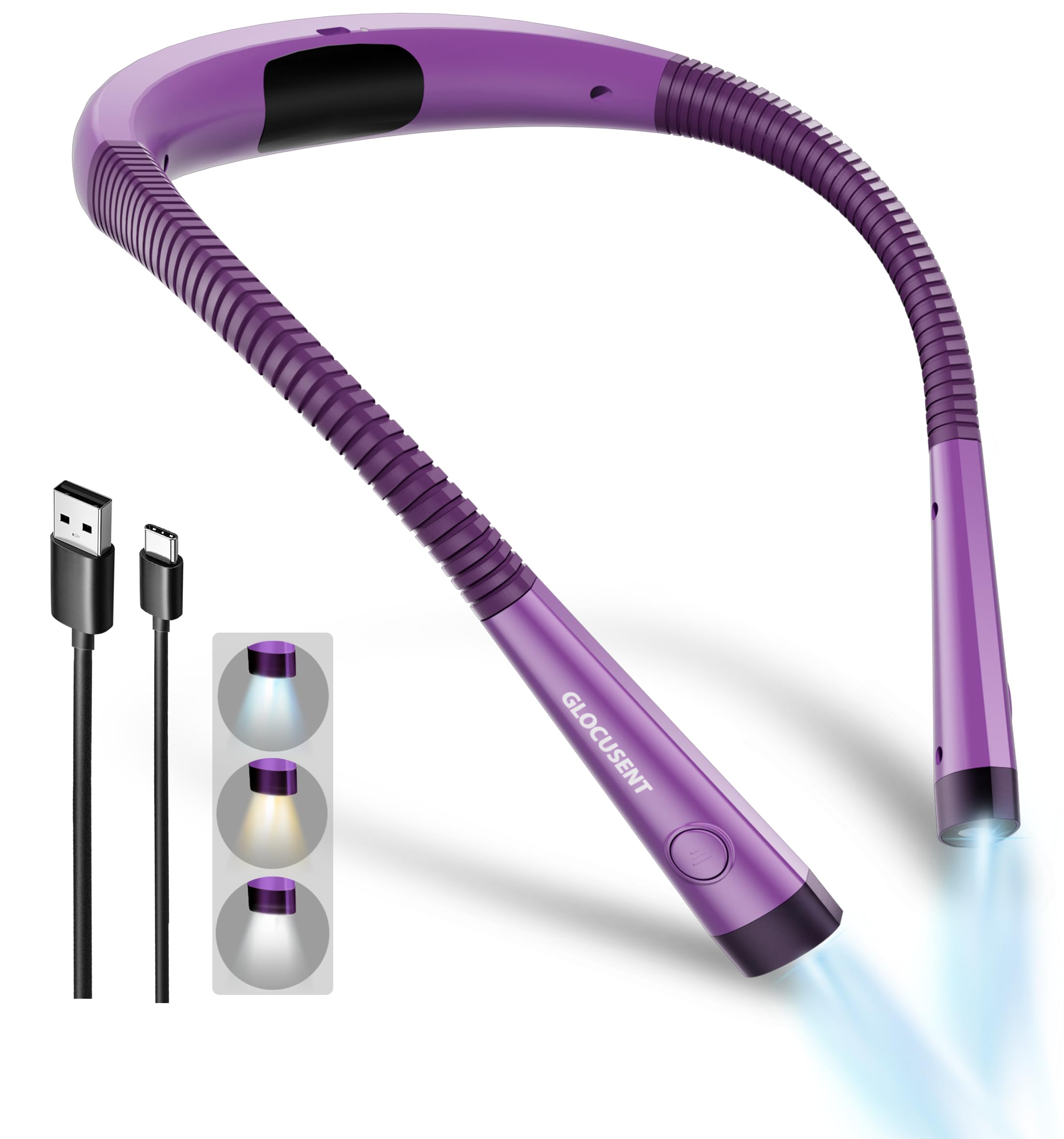
- Choose among three color temperature modes: yellow, warm white, and cool white.
- Each light head has its own switch and three dimmable brightness levels.
- The USB Type-C rechargeable light offers up to 80 hours for general reading with a single head.
Best Gift For: A history reader who likes to read hands-free in bed.

Cross Classic Century Gold-Plated Ballpoint Pen
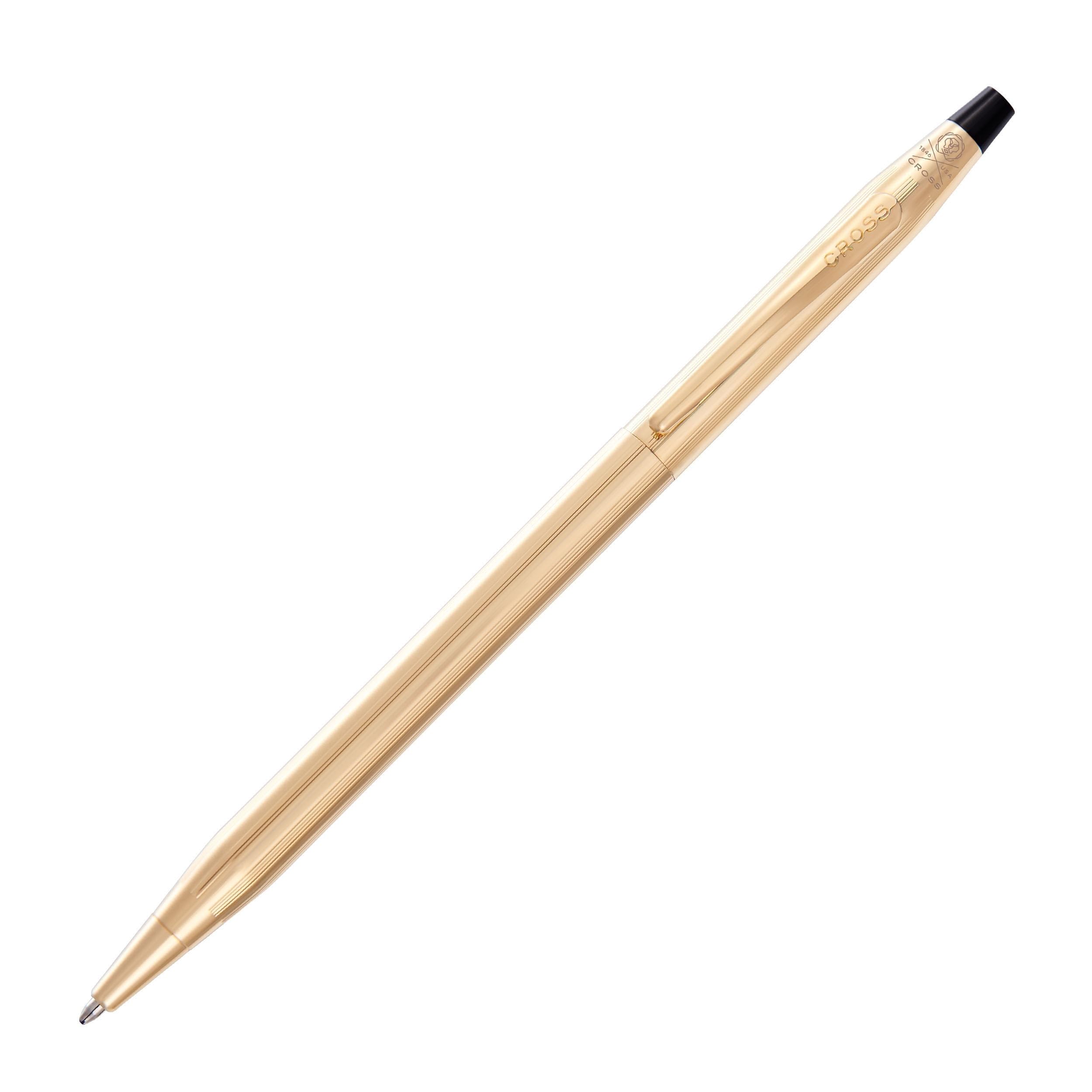
- The Cross Classic Century 23KT Gold Ballpoint Pen has a slim girth, sleek flush details, and a metal body.
- Its swivel-action mechanism supports a simple writing routine.
- It arrives in a gift box.
Best Gift For: A history enthusiast who enjoys journaling or taking notes.
VASAGLE 5-Tier Bookcase
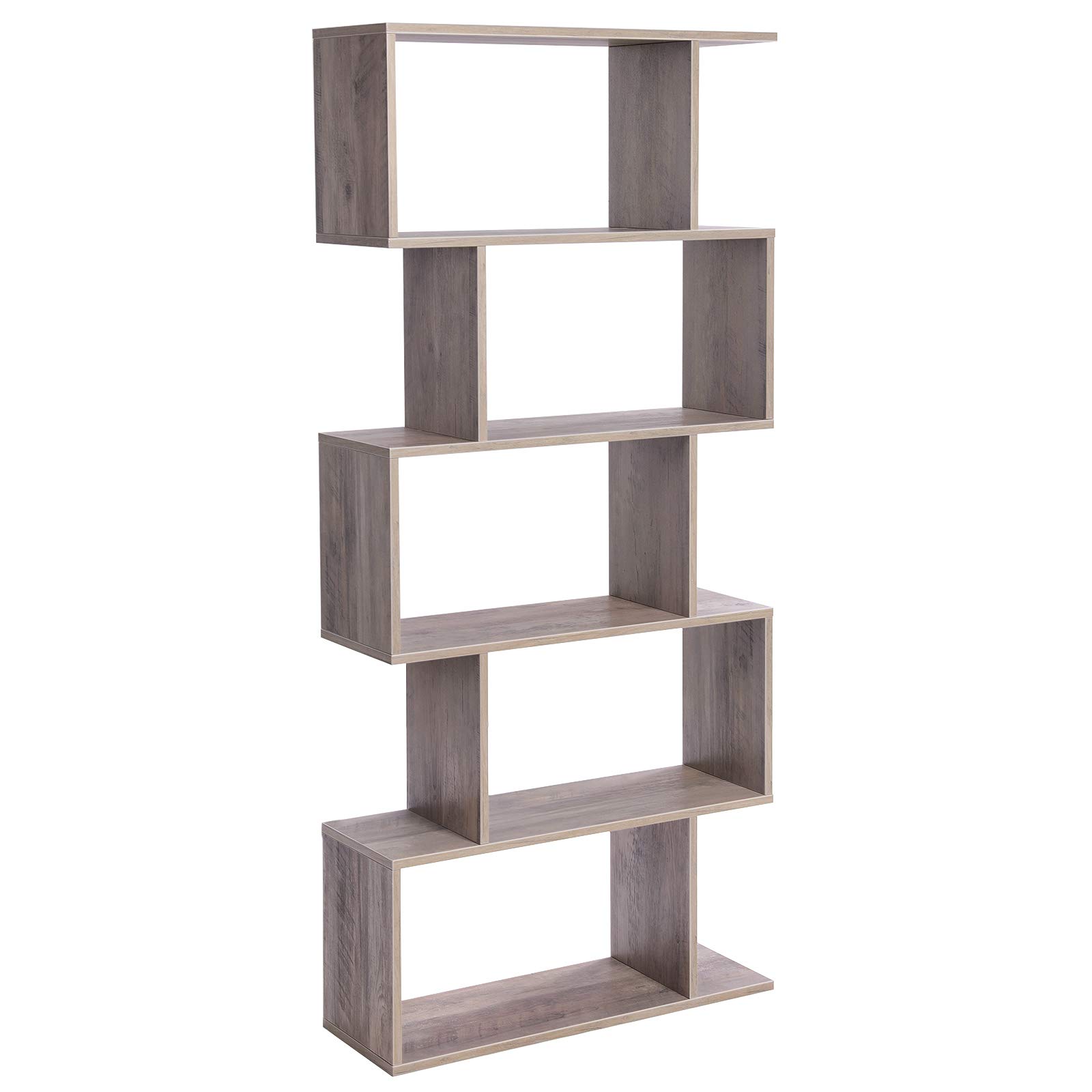
- The five-tier shelf has open storage and a freestanding design.
- Two anchoring devices help keep it in place.
- Each shelf can handle a load capacity of 22 lb.
Best Gift For: A history reader who wants open shelving for a home study.
Clever Fox Planner PRO Light, Undated
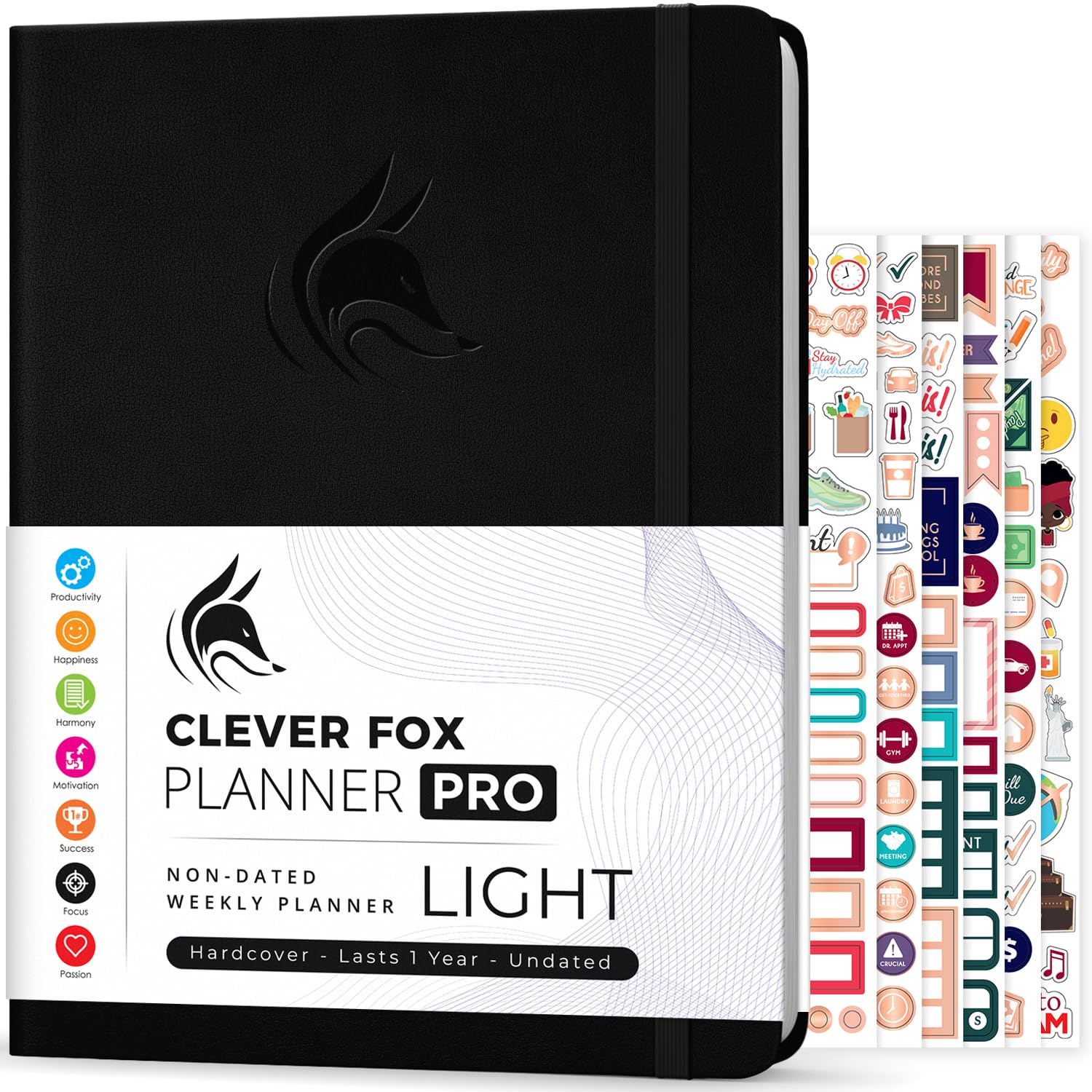
- Its undated format can be started at any time of year.
- The layout includes monthly, weekly, and daily planning.
- A user guide and planning stickers are included.
Best Gift For: A history enthusiast who likes to plan reading, research, or study time.
Clever Fox Dotted Journal 2.0, A5
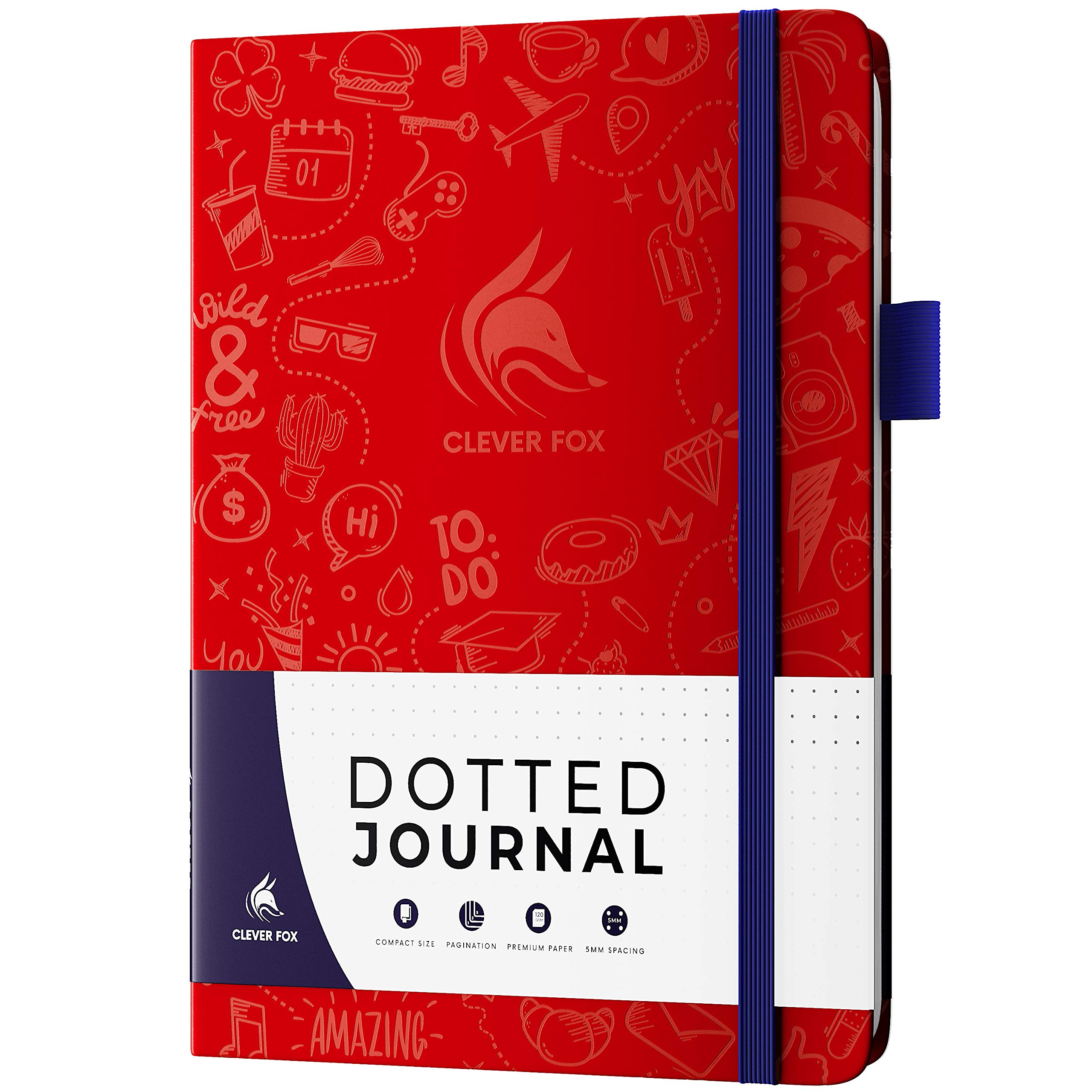
- The journal has thick, no-bleed paper and lay-flat binding.
- It includes a pen loop, three ribbon bookmarks, and a pocket for notes.
- The dot grid has 150 numbered pages, plus a key and index page.
Best Gift For: A history reader who enjoys keeping notes or sketching ideas by hand.
OTOTO Spaghetti Tale Bookmark
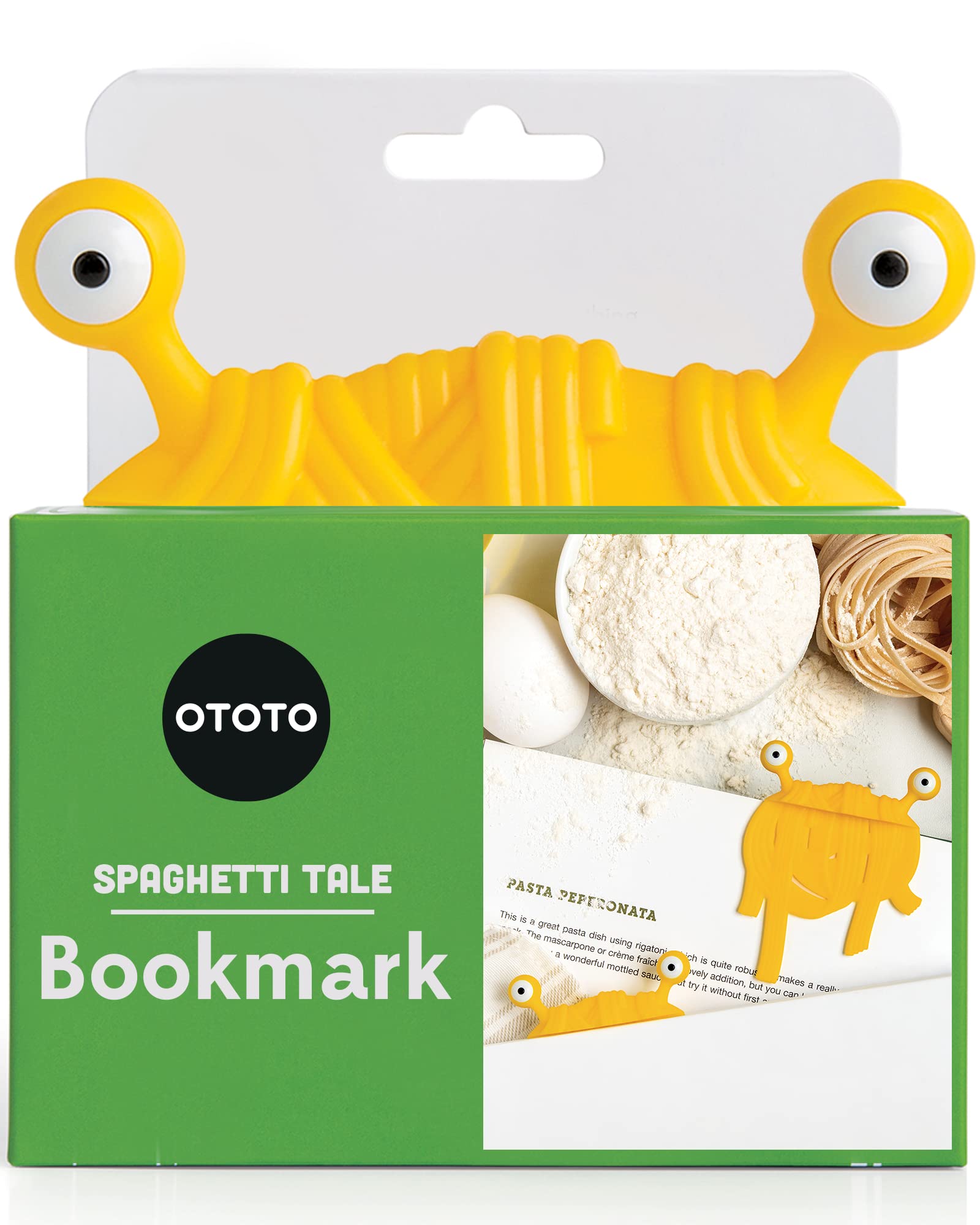
- Its quirky yellow design makes the bookmark easy to spot.
- It works as a marker for reading or studying.
- The plastic design is less likely to damage book pages than metal or wood markers.
Best Gift For: A history reader who would appreciate a playful page marker.
Kölbs Reading Pillow, Tall
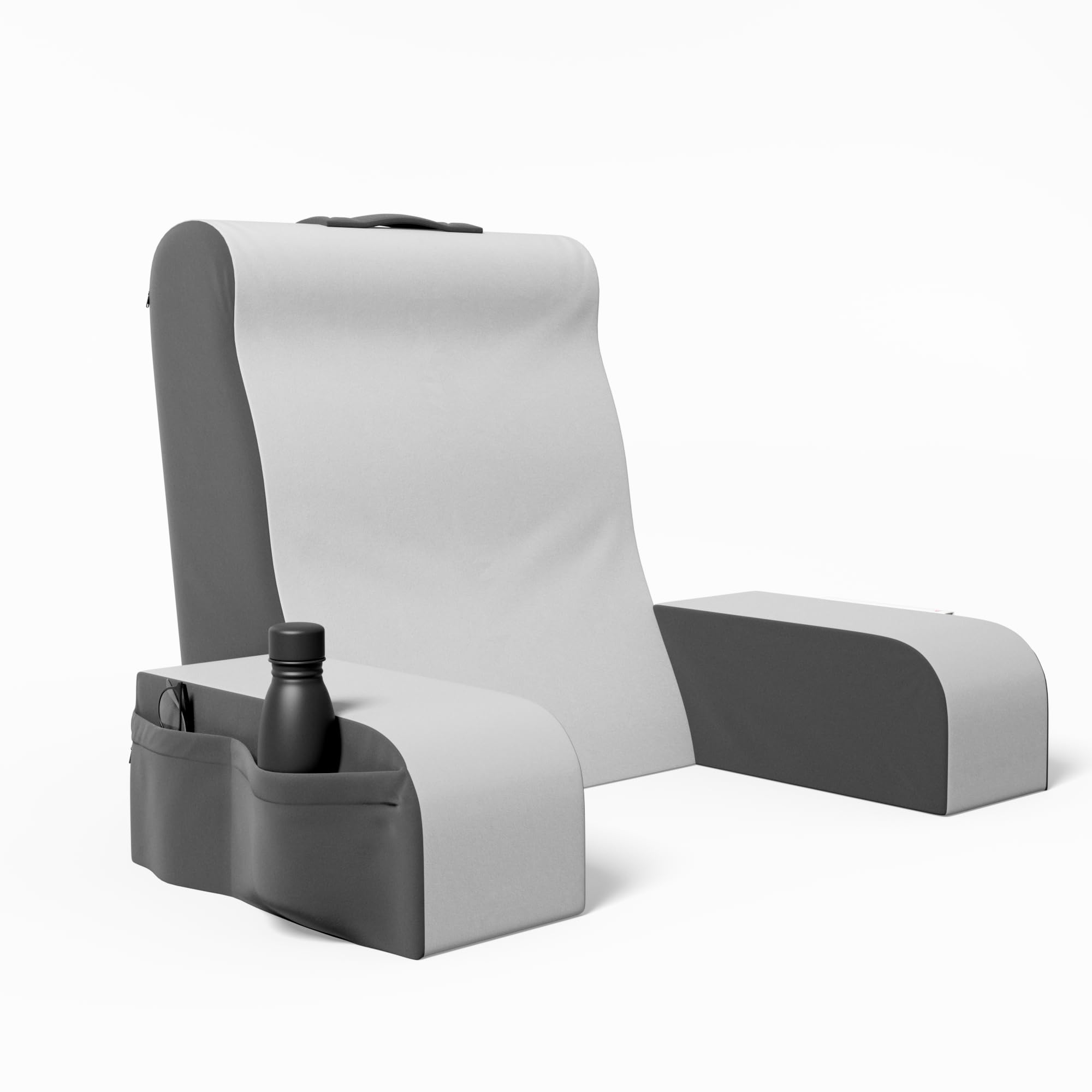
- Solid structured foam provides support with soft cushioning.
- The tall size is intended for people 5' 11" and above.
- Side pockets and a carry handle keep small essentials close and make it easier to move.
Best Gift For: A history lover who enjoys reading while sitting up in bed or on a sofa.
10X Rectangle Magnifying Lamp
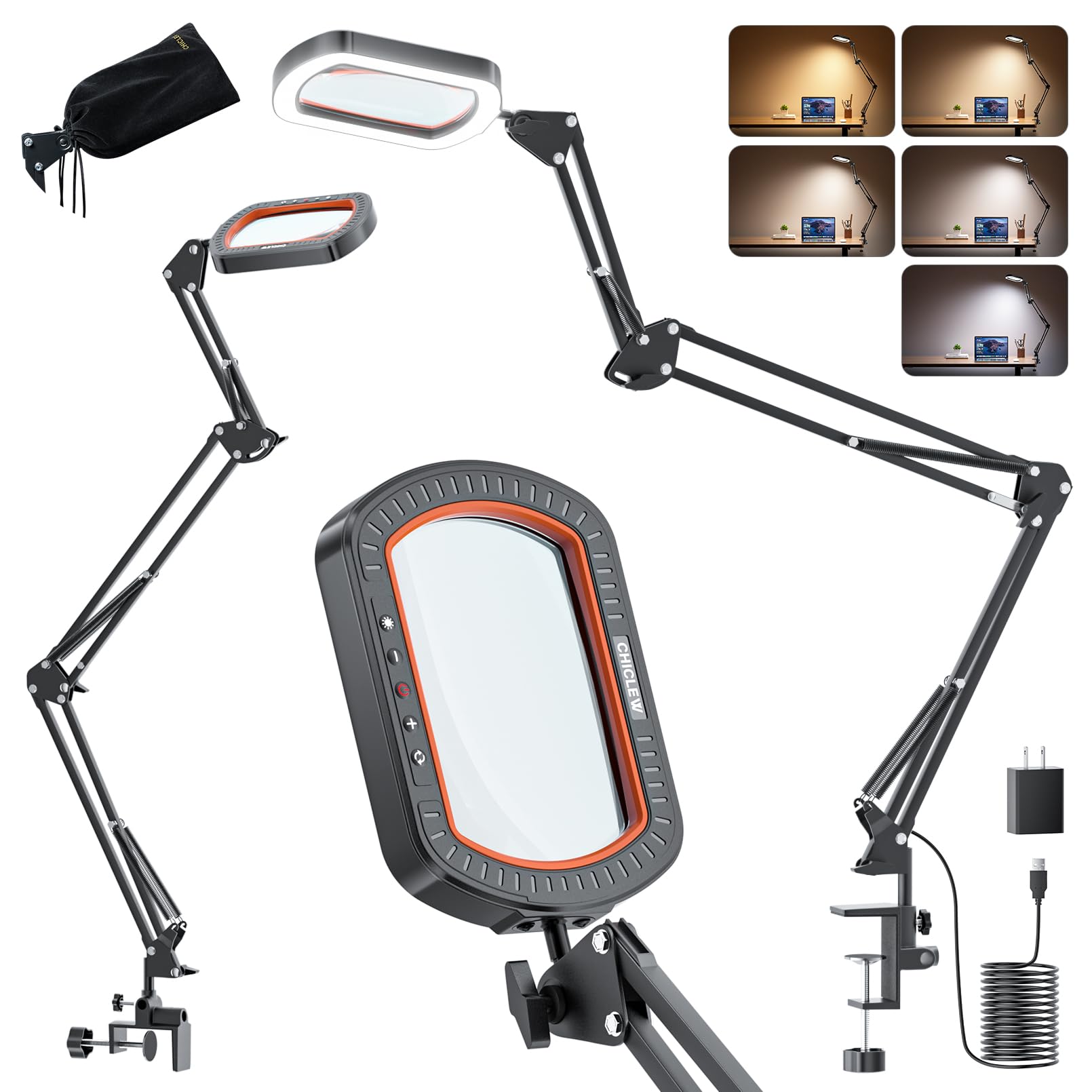
- The 10X magnifier uses a rectangular genuine-glass lens.
- Five color modes and smooth brightness control let the user adjust the light.
- The metal clamp attaches to desk, workbench, or table edges.
Best Gift For: A history reader who uses magnification to read small print.
Mr. Pen Metal Bookends, 8-Pack
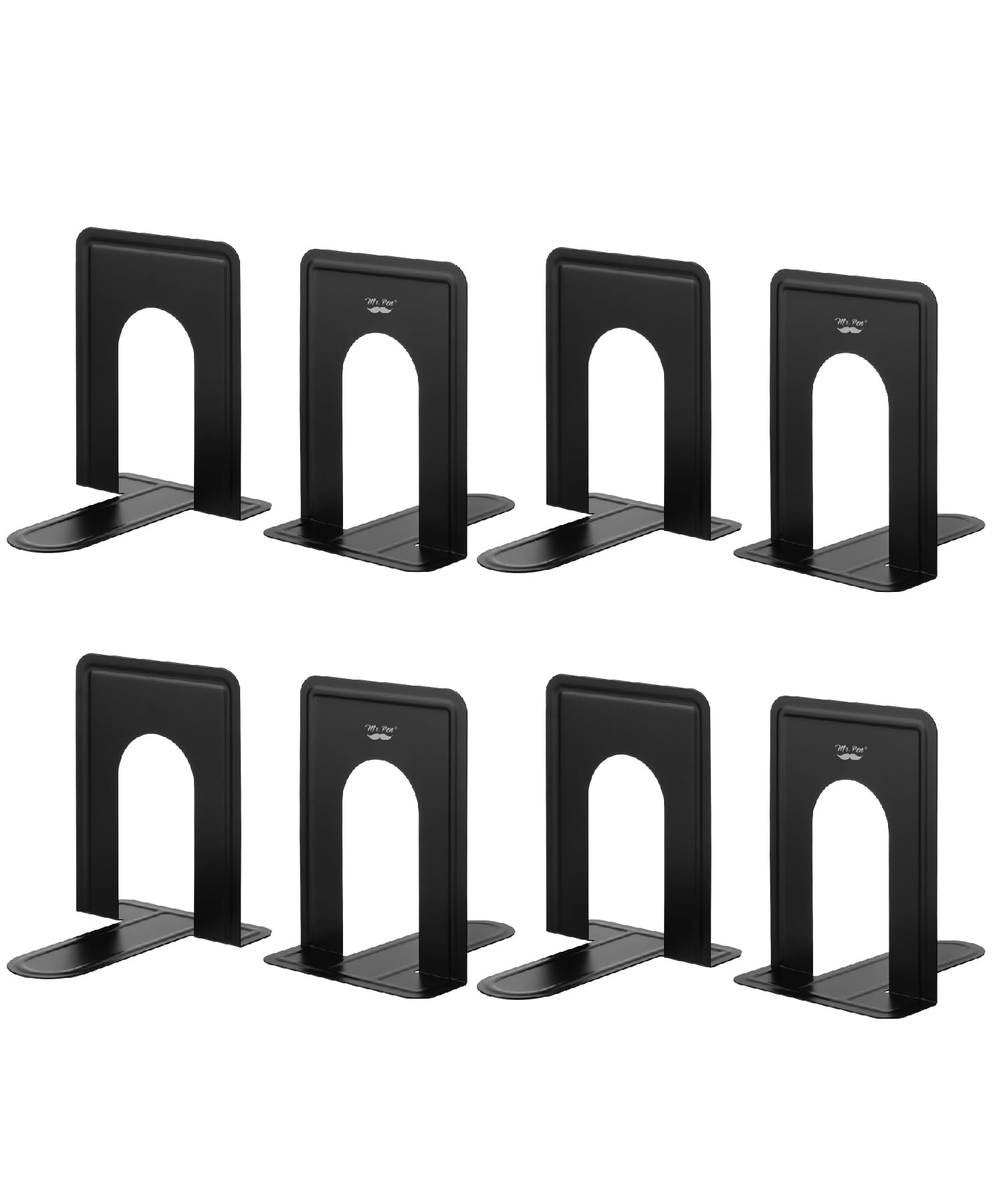
- The pack includes eight black metal bookends.
- Heavy-duty metal bookends are designed to keep books upright.
- They can hold books, magazines, or binders.
Best Gift For: A history lover organizing books, files, or binders on shelves.
1. Match gifts for history lovers to their reading habits
For gifts for history lovers, start by thinking about where the recipient spends time with books. Someone who reads in bed may value a more comfortable setup, while a person who studies at a desk may enjoy practical tools for notes and planning.
A small reading accessory can suit someone whose shelf and workspace are already full.
Consider what kind of history they enjoy: a particular era, biography, local history, or broad surveys. A blank journal or planner gives them room to organize their own thoughts without assuming they want a book on a specific subject.
For a book club regular, a playful bookmark can be a cheerful addition to a title you know they will read.
If you are unsure, notice the recipient’s routines before choosing. Do they keep notes in the margins, read late, or have a stack of books waiting for attention?
A gift that fits an existing habit is more likely to feel personal and useful than one based only on a broad interest in the past.
2. Set a comfortable budget
A thoughtful gift can be a modest reading extra or a more substantial addition to a study space. Decide whether you want a complete present on its own or one part of a larger bundle.
Small desk and reading items can pair naturally with a favorite book, while furniture calls for more planning around room and shelf needs.
For a higher-cost choice, think about how often it will be used and whether the recipient has space for it. A bookcase may be welcome for someone building a home library, but not for a reader who prefers borrowing books or has limited room.
A pen or notebook can make a useful gift without requiring a major change to someone’s setup.
Use the current price as one factor, and compare it with your overall budget before ordering. For gifts for history lovers, a coordinated set can feel considered: pair a note-taking item with a book on a known interest, or add a page marker to a title.
Keep the bundle useful and avoid buying extras the recipient may not need.
3. Personalize gifts for history lovers
For gifts for history lovers, personalization can come from the subject you choose to pair with a practical item. A notebook could accompany a book about a period the recipient already follows; a bookmark could mark a title selected for an upcoming book club.
That small connection makes the present feel specific without requiring custom engraving.
Presentation can help everyday objects feel ready for the occasion. Wrap a journal with a handwritten note suggesting a question to explore, or place a bookmark inside a book with a short explanation of why you chose it.
For a reader setting up a study corner, consider a simple card that recognizes the space they are creating.
Match the wrapping to the scale of the gift. A compact item can fit into a book-themed package, while a larger home item may call for a card and practical coordination instead of elaborate wrapping.
If you are combining several pieces, group them around one clear idea, such as a quiet evening of reading or an organized research desk.
4. Choose something they can use right away
Last-minute shopping is easier when the gift does not depend on knowing a precise historical preference. A general reading accessory, writing tool, or organizer can support many kinds of reading and study.
If you are choosing a larger item, pause to check whether the recipient has room and whether the dimensions suit the intended spot.
Before you order, review current product details, dimensions, and compatibility with the recipient’s setup. For a desk item, consider the available surface and nearby outlets if relevant.
For a book or reading accessory, confirm the format and style fit what the person already uses. Those quick checks help reduce surprises without relying on assumptions.
Look at the delivery estimate for your address and timing, and keep a backup plan if the date is close. A printable note about a planned outing to a local museum or a promise to choose a book together can accompany a smaller present, while avoiding claims about when an order will arrive.
5. Make the gift easy to enjoy
A useful present should be simple to start using. Keep any included instructions or small accessories together, and consider adding a short note explaining how you pictured the recipient using it.
That note can be as simple as an invitation to enjoy a quiet reading hour or to make a fresh list of research topics.
For a shared home, think about how the gift will fit the recipient’s habits and the people around them. A reading light may suit someone who wants focused light at night, while storage can help keep a collection in order.
When space or preferences are uncertain, a compact accessory is often easier to fit into an established routine.
The best choice is the one that respects how this person actually reads, studies, and collects. Pay attention to their favorite subjects, the room they use, and whether they prefer a practical tool or a lighthearted extra.
With those details in mind, even a simple gift can show that you noticed what they enjoy.