Homeschool days can move between lessons, hands-on activities, and planning at the desk. These gifts include resources for shared learning and practical ways to organize a study space.
The selection brings together options for different ages and interests, along with a few useful everyday tools for the adults guiding the day.
11 Gift Ideas for Homeschool Parents
Learning Resources 1-2-3 Build It Robot Factory
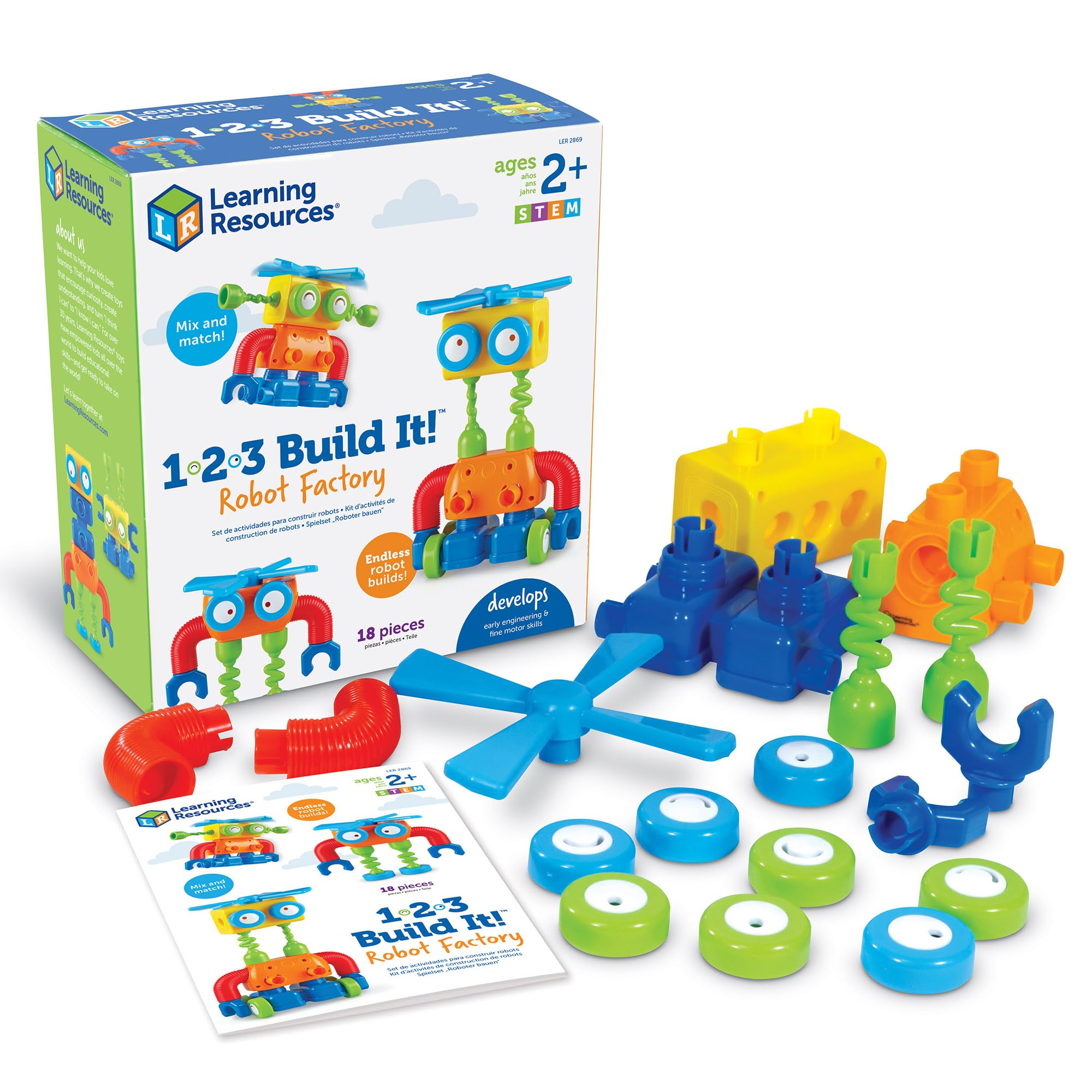
- Kids can create their own robots with this build-it-yourself toy.
- The activity is designed to build early engineering and critical thinking skills.
- The pieces are made for little hands to handle.
Best Gift For: A homeschool family with a young child who enjoys building and imaginative play.

TOMLOV DM9B 7-Inch Digital Microscope, 16GB
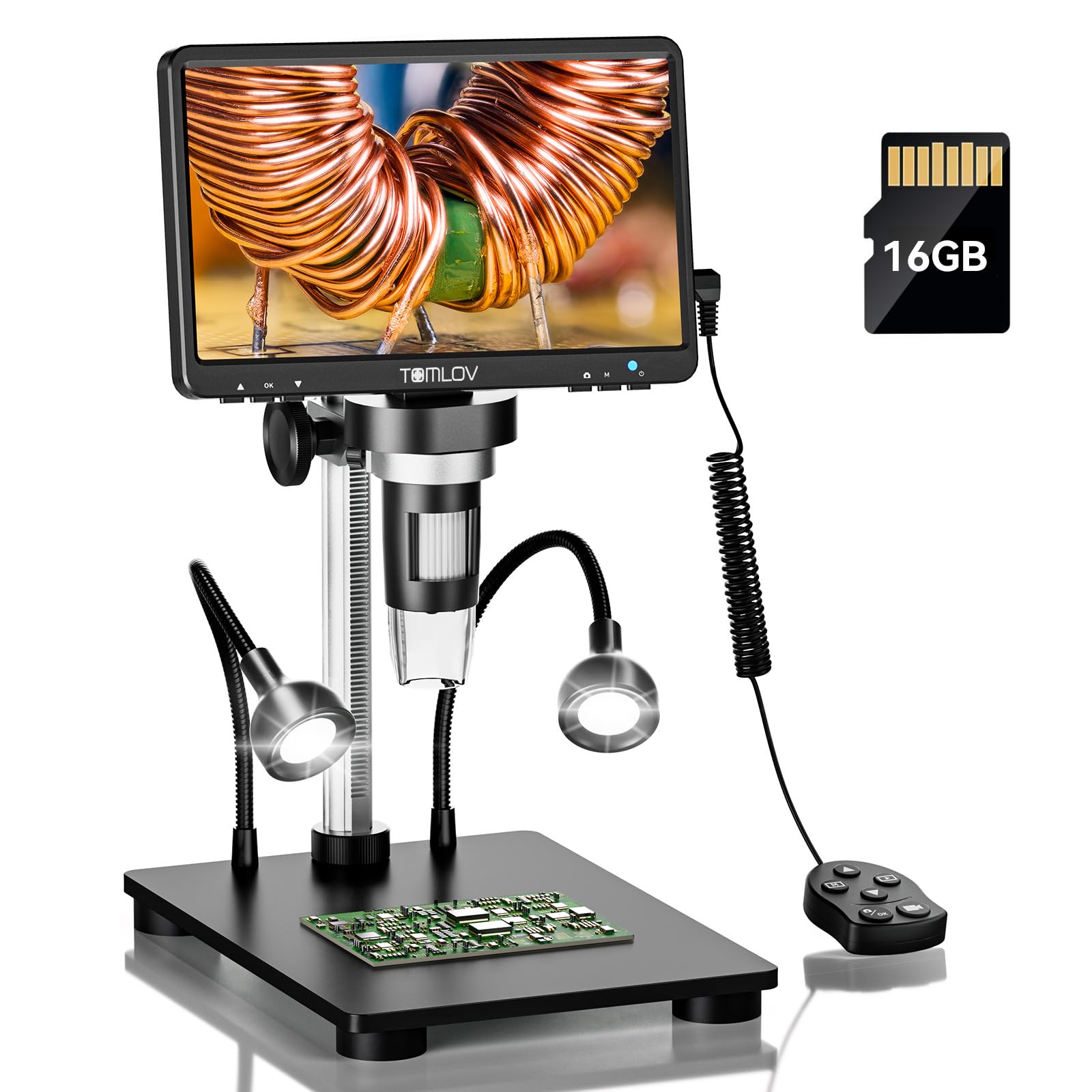
- The rotatable screen supports a more comfortable viewing position.
- Magnification ranges from 5X to 1200X.
- A Micro SD card is included for storing photos and videos.
Best Gift For: A homeschool household with an adult, student, or young learner interested in examining small details.
Light-up Crystal Growing Kit for Kids
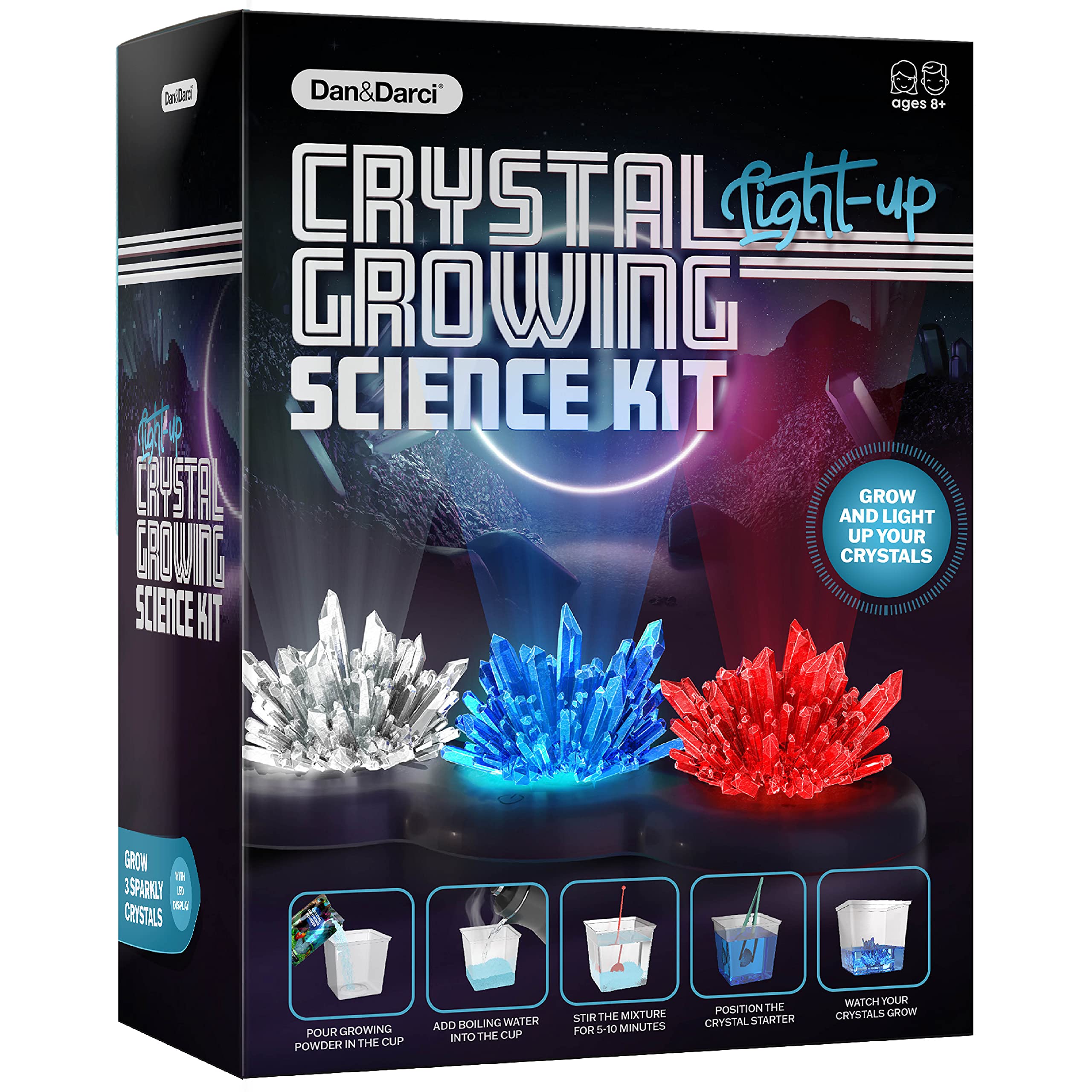
- The kit lets children grow red, blue, and clear crystals.
- An illustrated booklet explains how crystals form.
- The included display lights up the finished crystals.
Best Gift For: A homeschool parent planning a guided science activity for children.
Learning Resources Minute Math Electronic Flash Card
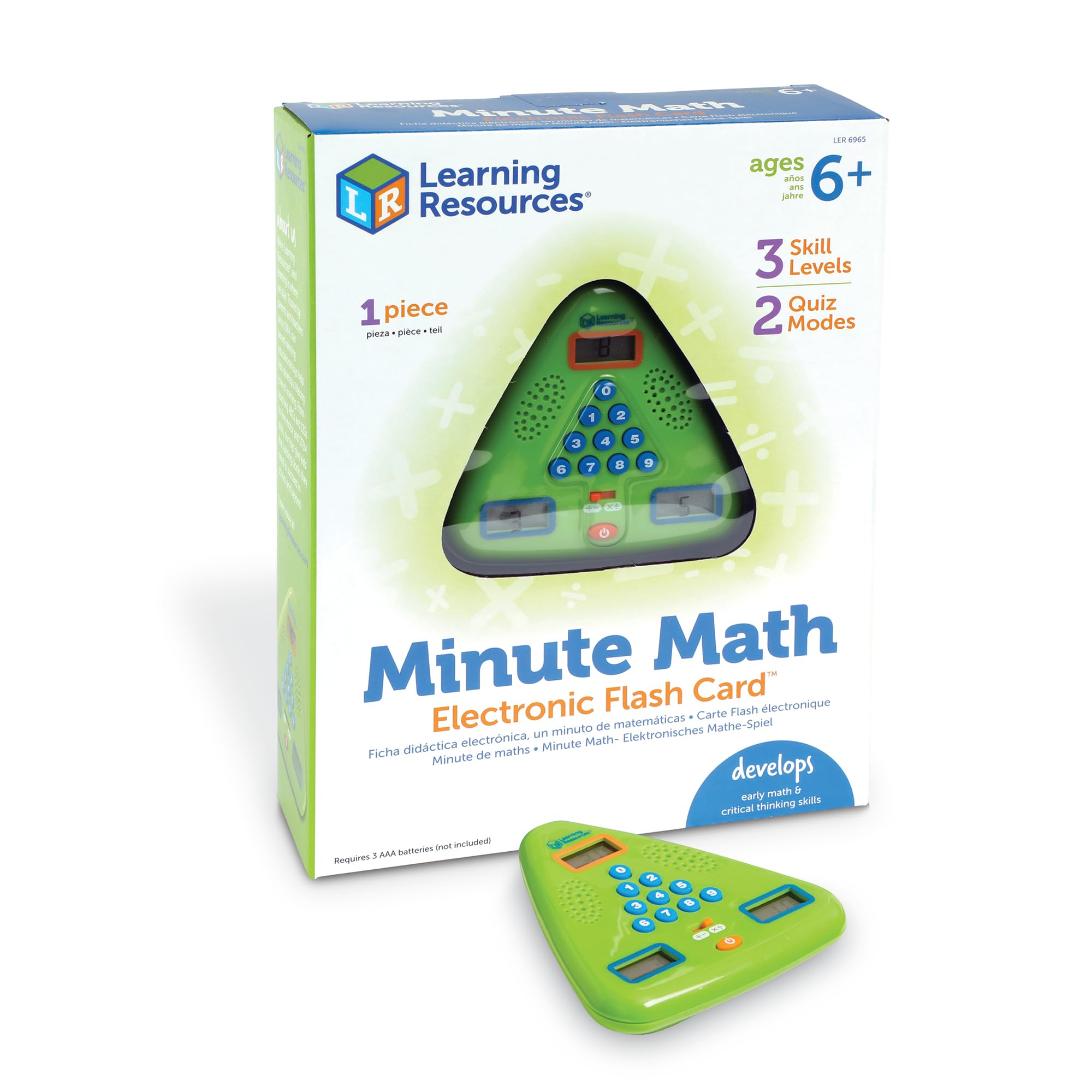
- It covers addition, subtraction, multiplication, and division practice.
- One-minute challenges make practice game-like.
- A silent mode supports quiet practice in shared spaces.
Best Gift For: A homeschool parent looking for a portable way to add short math practice to a student's day.
Phomemo D30 Label Maker with 3 Tapes
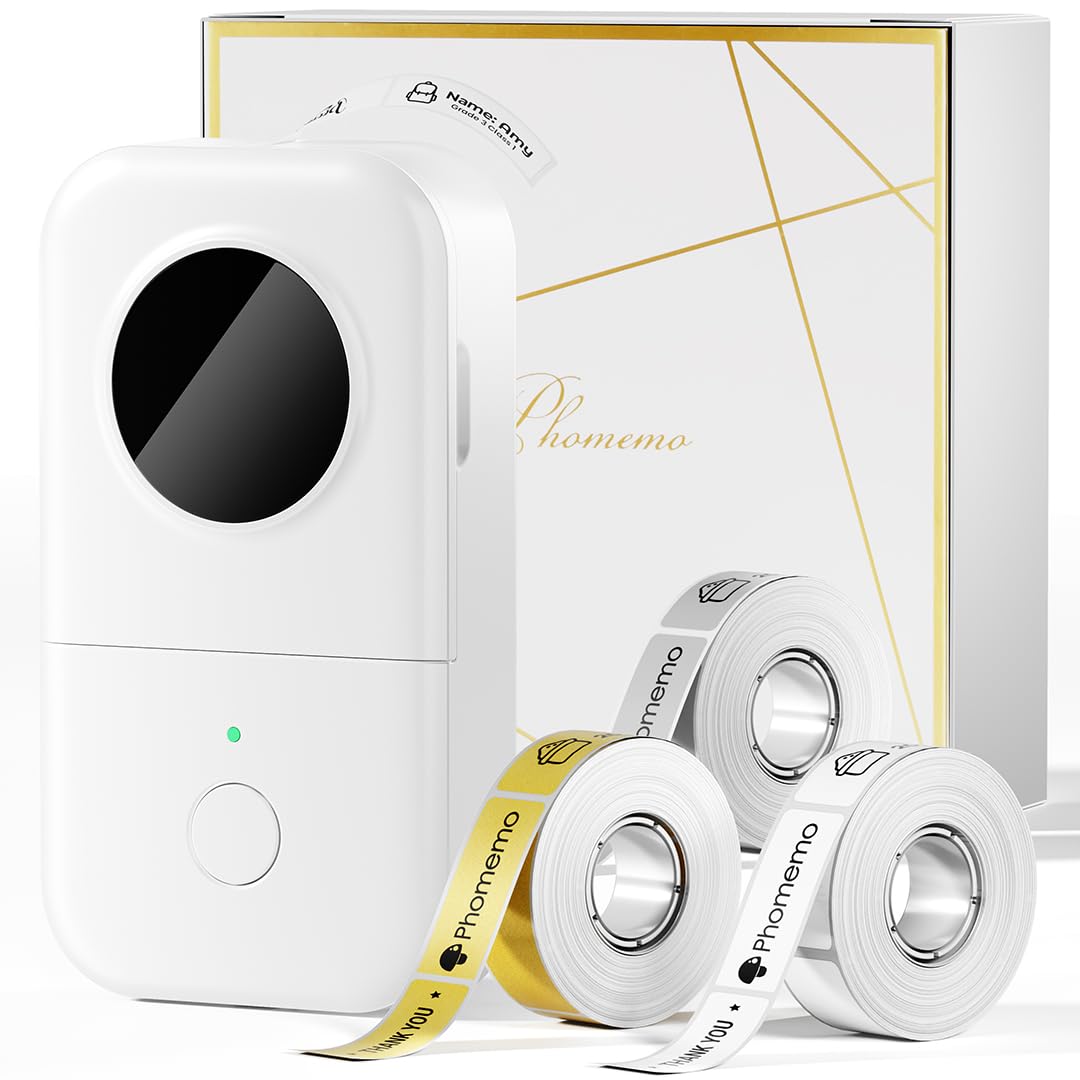
- The label maker comes with white, gold, and clear tapes.
- It prints without ink, toner, or ribbons.
- Labels can be created from connected mobile devices.
Best Gift For: A homeschool parent who wants to label supplies, study notes, or personal items.
Clever Fox Planner PRO Light Weekly & Monthly Planner
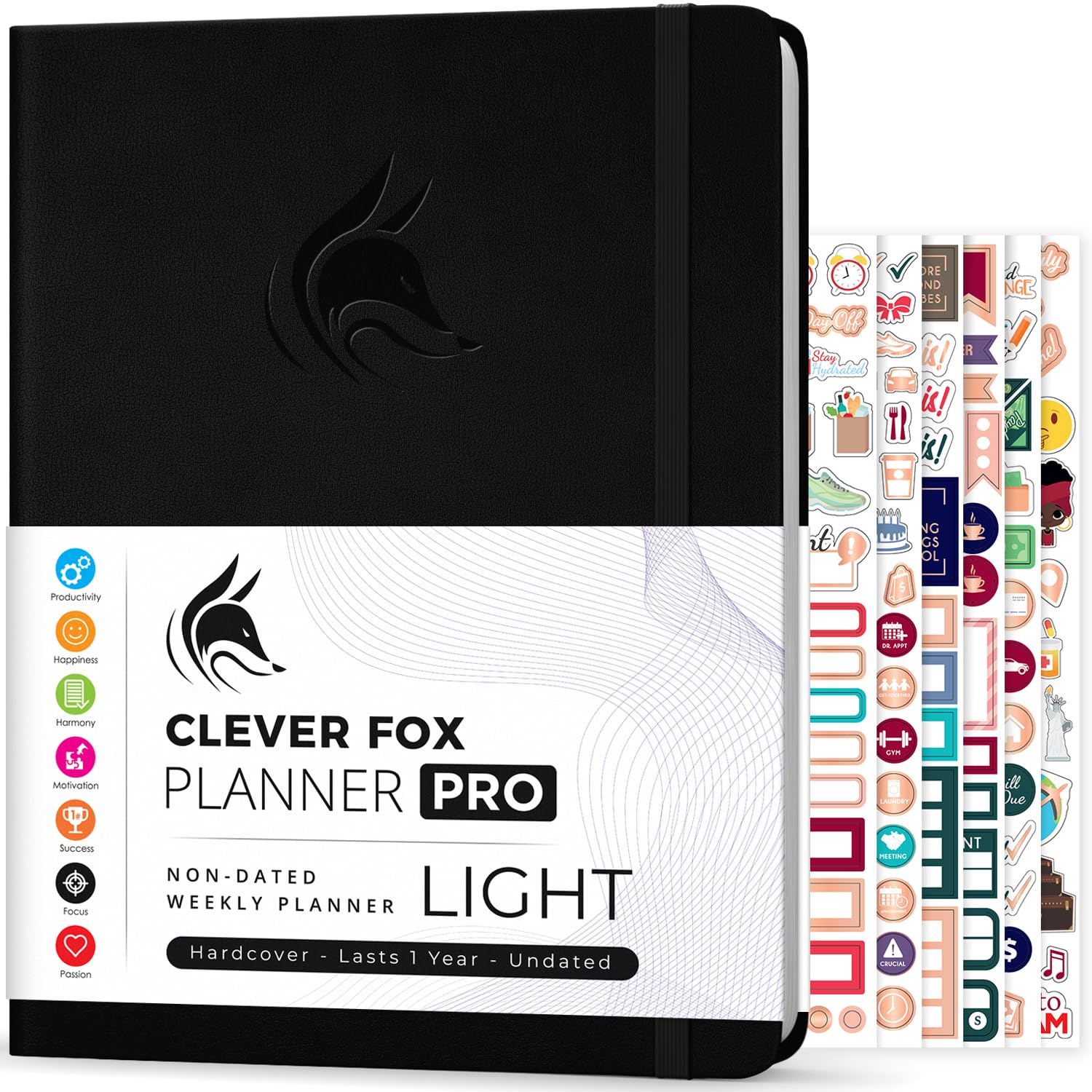
- The planner has monthly, weekly, and daily planning layouts.
- Its undated format can be started at any time.
- It comes with a quick-start guide and planning stickers.
Best Gift For: A homeschool parent who likes mapping goals and activities into a planner.
Glocusent 3-Color, 6-Brightness Neck Reading Light
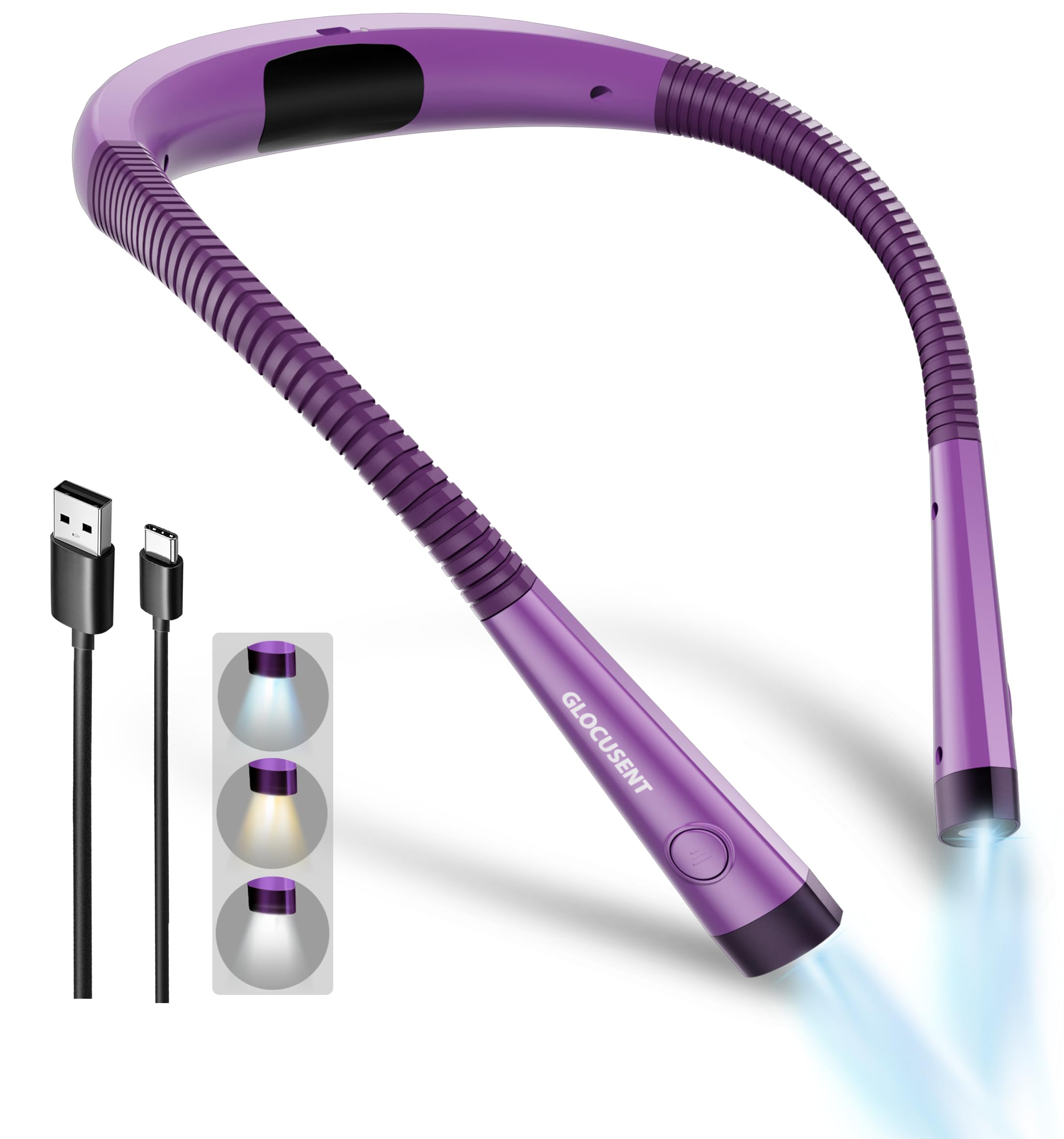
- It offers three color temperature modes and six brightness levels.
- Adjustable arms help position the light comfortably around the neck.
- The rechargeable battery provides up to 80 hours for general reading with one head.
Best Gift For: A homeschool parent who enjoys hands-free reading or wants focused light for reading in bed.
SKYDUE 360 Degree Rotating Desk Organizer, 5 Slots
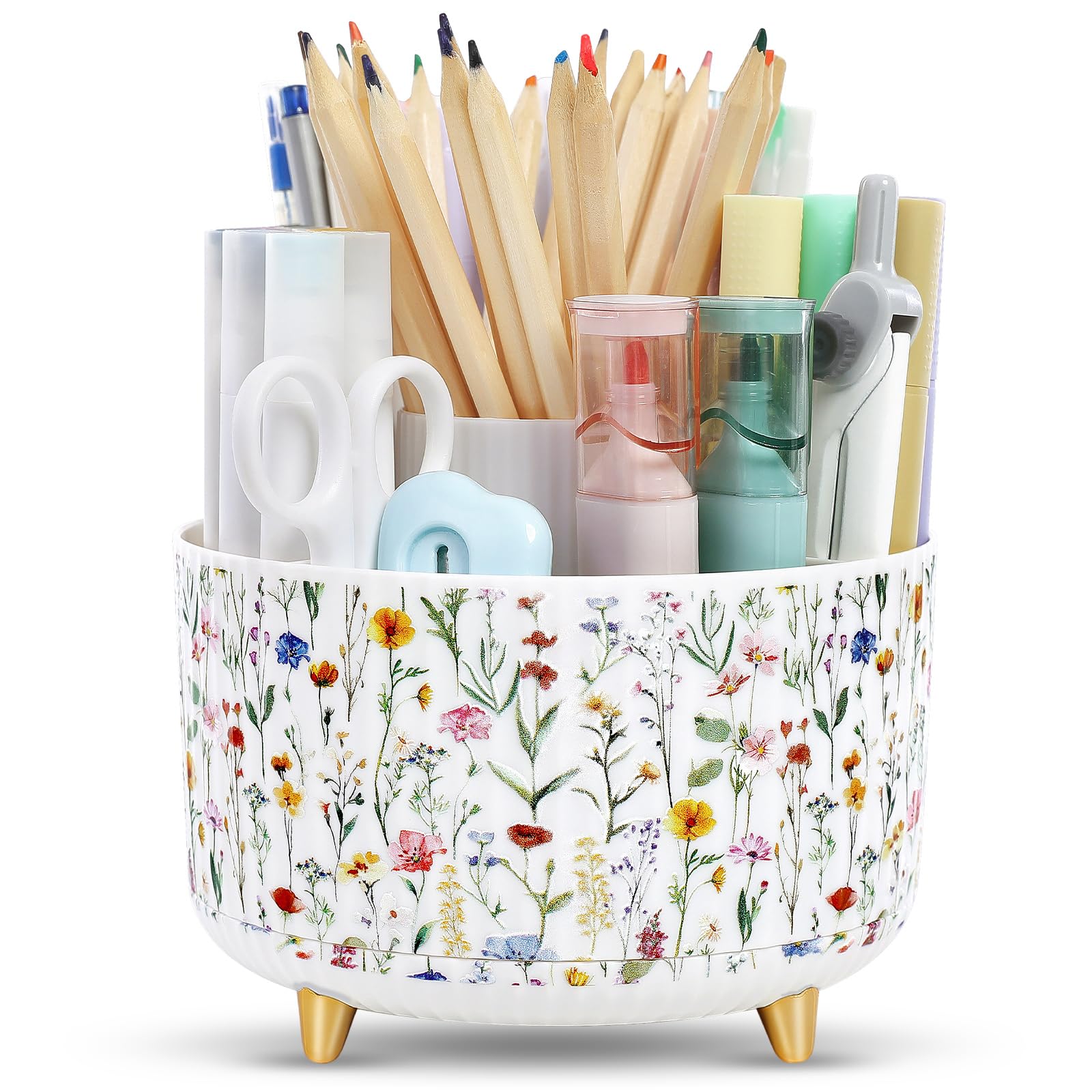
- Five compartments provide storage while taking up little desktop space.
- The holder rotates for access to writing tools.
- It can also hold art supplies or markers.
Best Gift For: A homeschool parent who wants writing tools and small supplies organized on a desk.
Whitelines Graph Notebooks, 3-Pack
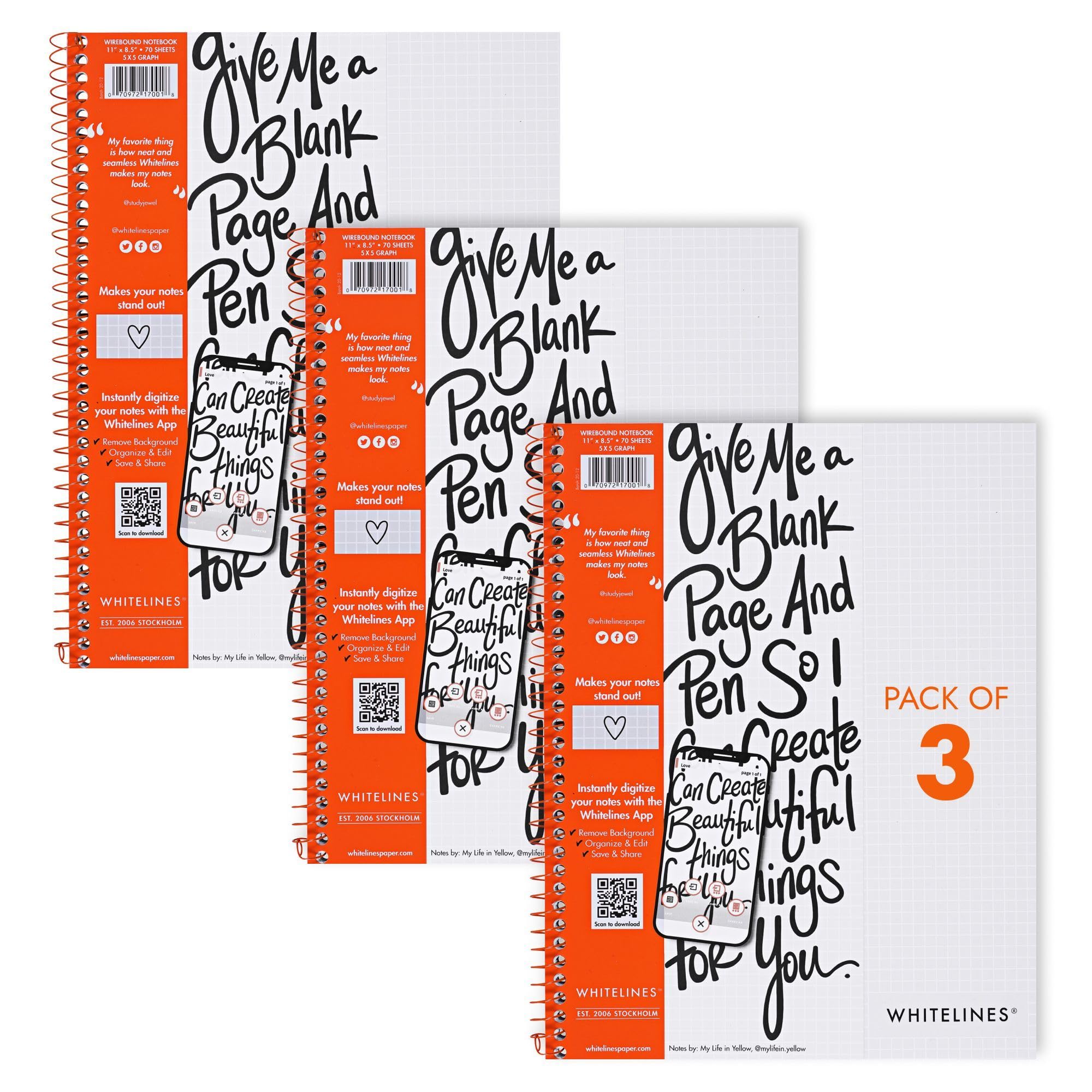
- The pack includes three spiral notebooks with graph paper.
- The app can remove the page background from saved notes or drawings.
- The paper has a light grey tint.
Best Gift For: A homeschool parent or student who prefers writing notes or drawing on paper that can also be shared digitally.
Cross Classic Century 23KT Gold Plated Ballpoint Pen
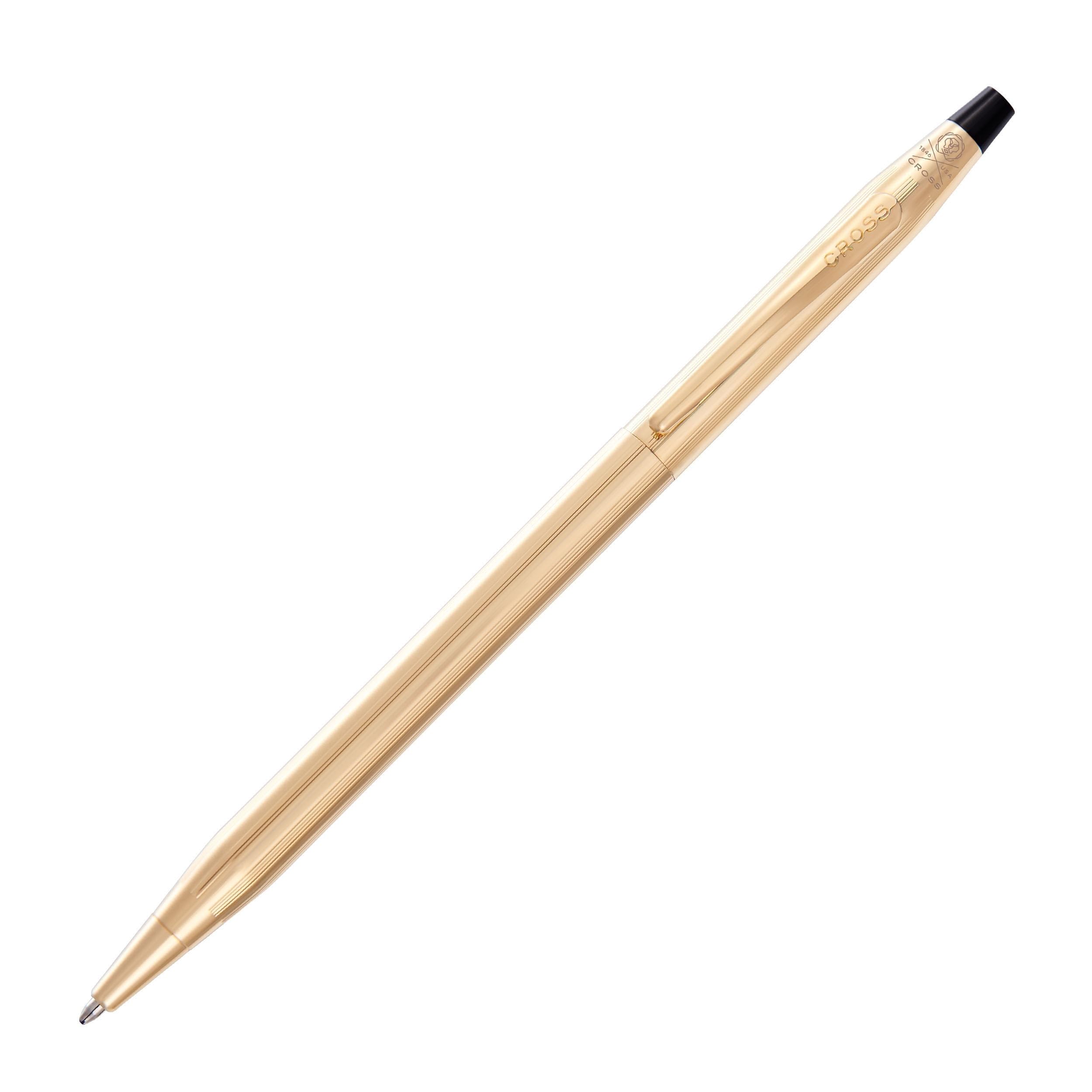
- The pen has a slim profile and metal body.
- Its swivel-action mechanism supports everyday use.
- It is refillable for continued use.
Best Gift For: A homeschool parent or teacher who would appreciate a refillable pen for everyday writing.
The Sneaky, Snacky Squirrel Game
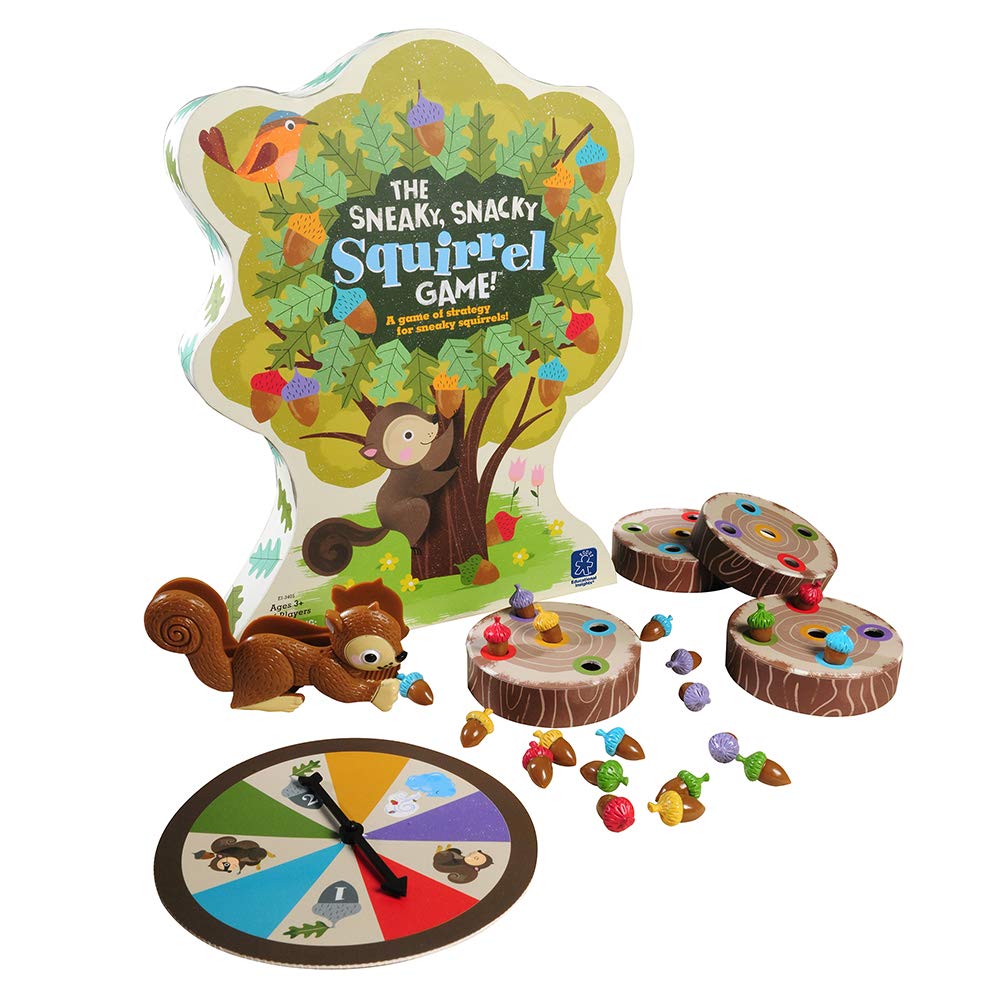
- The game practices color learning and matching skills.
- Players use a squirrel tool to pick up matching acorns.
- It encourages taking turns and sharing.
Best Gift For: A homeschool family with preschoolers who enjoy playing together while practicing colors and taking turns.
1. Match Christmas gifts for homeschool parents to a real part of the day
Start with the moments that routinely need a little support: a child wants a hands-on activity, a parent is preparing a lesson, or everyone needs a short break from focused work. Christmas gifts for homeschool parents feel thoughtful when they fit one of those familiar rhythms instead of adding another project to manage.
Consider the ages and interests of the children who may share the gift. A building activity or a guided science project can invite adult participation, while a microscope may appeal to a learner who already asks questions about tiny details.
Check the age guidance and the adult’s comfort with supervising the activity before choosing.
A gift for the parent can be useful in a different way. Planning tools, notebooks, a reading light, or a desk organizer can support the work that surrounds lessons.
Think about whether the recipient prefers paper or digital routines, a tidy tabletop, or a quieter way to read after the school day.
2. Balance practical and playful choices
A useful gift does not have to solve every part of homeschooling. A small tool for organizing supplies may be welcome because it fits into an existing routine, while a game or science activity can add a change of pace.
Match the scale of the gift to how much time and attention the household can give it.
For a tighter budget, consider simple items that complement what the family already uses, such as paper for notes or an organizer for a shared workspace. For a more substantial present, choose something that invites recurring use or shared exploration.
Compare current prices before buying, since prices can change.
When choosing among Christmas gifts for homeschool parents, include the hidden effort in your decision: setup, storage, supervision, or learning a new tool. A compact activity that fits a planned lesson may be more welcome than a larger kit with no clear place in the week.
Ask yourself whether the gift makes a routine easier or creates a manageable moment of fun.
3. Personalize Christmas gifts for homeschool parents
Christmas gifts for homeschool parents can feel especially personal when they reflect a detail the recipient has shared: a subject they enjoy teaching, a student’s current curiosity, or a preference for writing plans by hand. A brief note explaining why you chose it can turn a practical purchase into a warm gesture.
Presentation can carry the personal touch. Pair a notebook with a handwritten message, or wrap an activity with a card suggesting a relaxed afternoon to try it together.
If the gift needs batteries, compatible devices, or other materials, check the product details before wrapping so the recipient knows what to expect.
For gifts involving children, consider whether the parent would prefer to join the activity or have it ready for independent exploration. A game can be a shared family pause, while a desk item may be intended for the adult’s own workspace.
A little attention to that distinction makes the gift easier to welcome.
4. Make the choice fit the household
A homeschool routine may happen at a kitchen table, a dedicated desk, or several rooms through the day. Think about where the gift will be used and whether there is a convenient place to keep it.
Items that can be put away easily may suit a shared living area better than something that needs a permanent setup.
Check dimensions and compatibility where they matter, especially for organizers, electronic tools, and accessories that connect to a device. Confirm that the recipient has the needed phone or computer before choosing a connected item.
Reading current product details can prevent a thoughtful gift from becoming an avoidable mismatch.
If you are unsure, choose a flexible gift that can support more than one part of the day, or include a gift receipt when available. A practical choice should still feel like it was selected for this family.
A note connecting it to their learning routine gives even a modest present a personal point.
5. Plan the timing and finishing touches
For a last-minute purchase, settle on the recipient and intended use first, then narrow the options to items that match those needs. Check current prices, compatibility, dimensions, and delivery estimates at checkout.
Delivery estimates can vary, so avoid planning a gift around an arrival date until you have reviewed the current details.
A digital gift card to a relevant retailer can work when timing is especially tight, but a small physical item with a handwritten card may feel more personal. If you choose a kit or electronic item, check whether setup or extra materials will be needed and mention that clearly in your note.
Before ordering, confirm the variant and quantity, and read the latest product details for anything the recipient will need to use it. Thoughtful wrapping does not need to be elaborate: simple paper, a clear note, and a specific reason for the choice make the gift feel considered and ready to give.