For someone who enjoys discovering how things work, a good gift can turn an ordinary afternoon into a new project or a useful learning routine.
These ten picks span playful experiments, practical study supplies, and tools for exploring small details—so you can choose around the recipient’s age, interests, and habits.
10 Birthday Gift Ideas for Curious Learners
Rich Dad CASHFLOW Educational Board Game
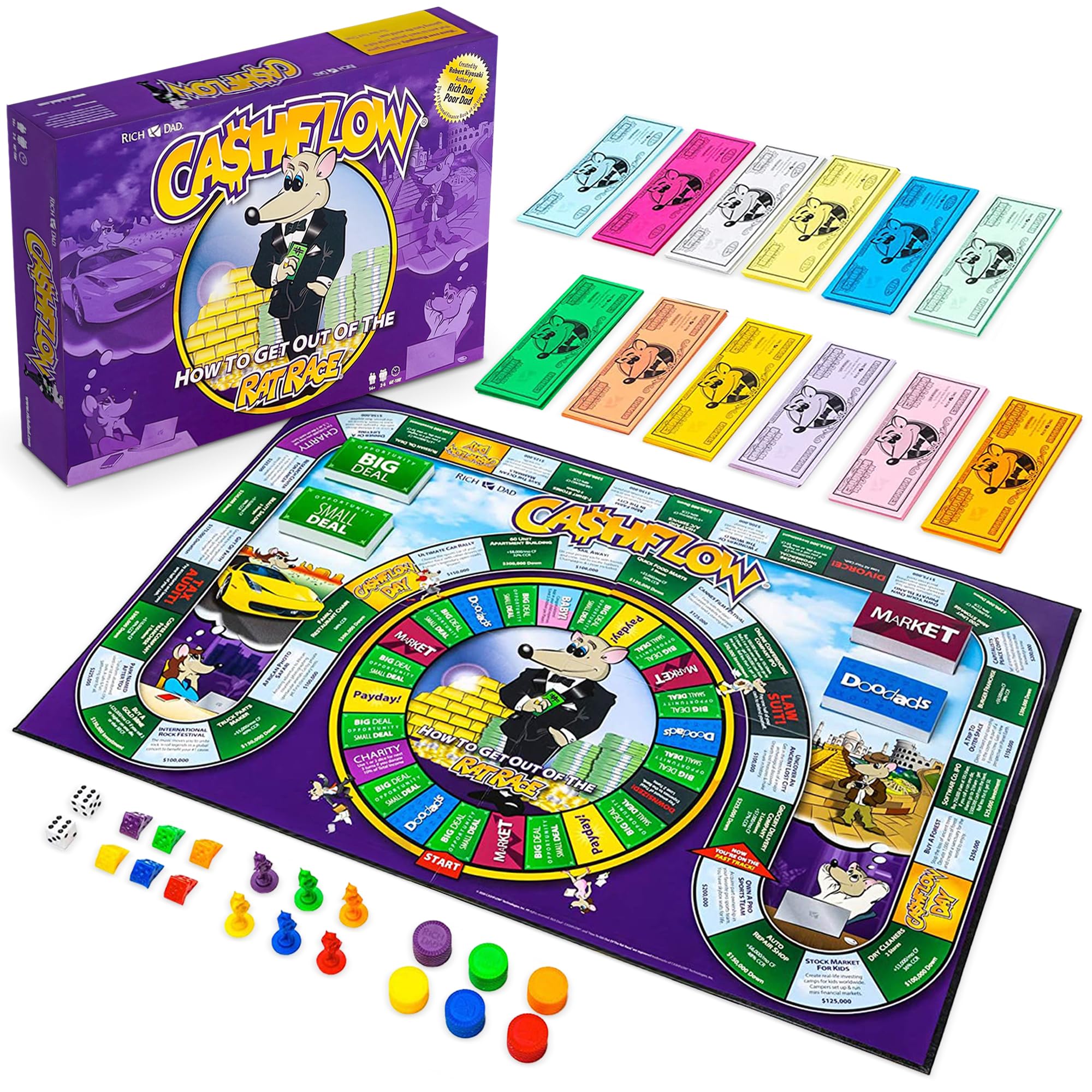
- Introduces money topics such as stocks and saving through a board game.
- Designed for a collaborative family game night.
- Recommended for ages 14 and up.
Best Gift For: Families or teens who enjoy learning about money through a shared game.

Glocusent Rechargeable Neck Reading Light
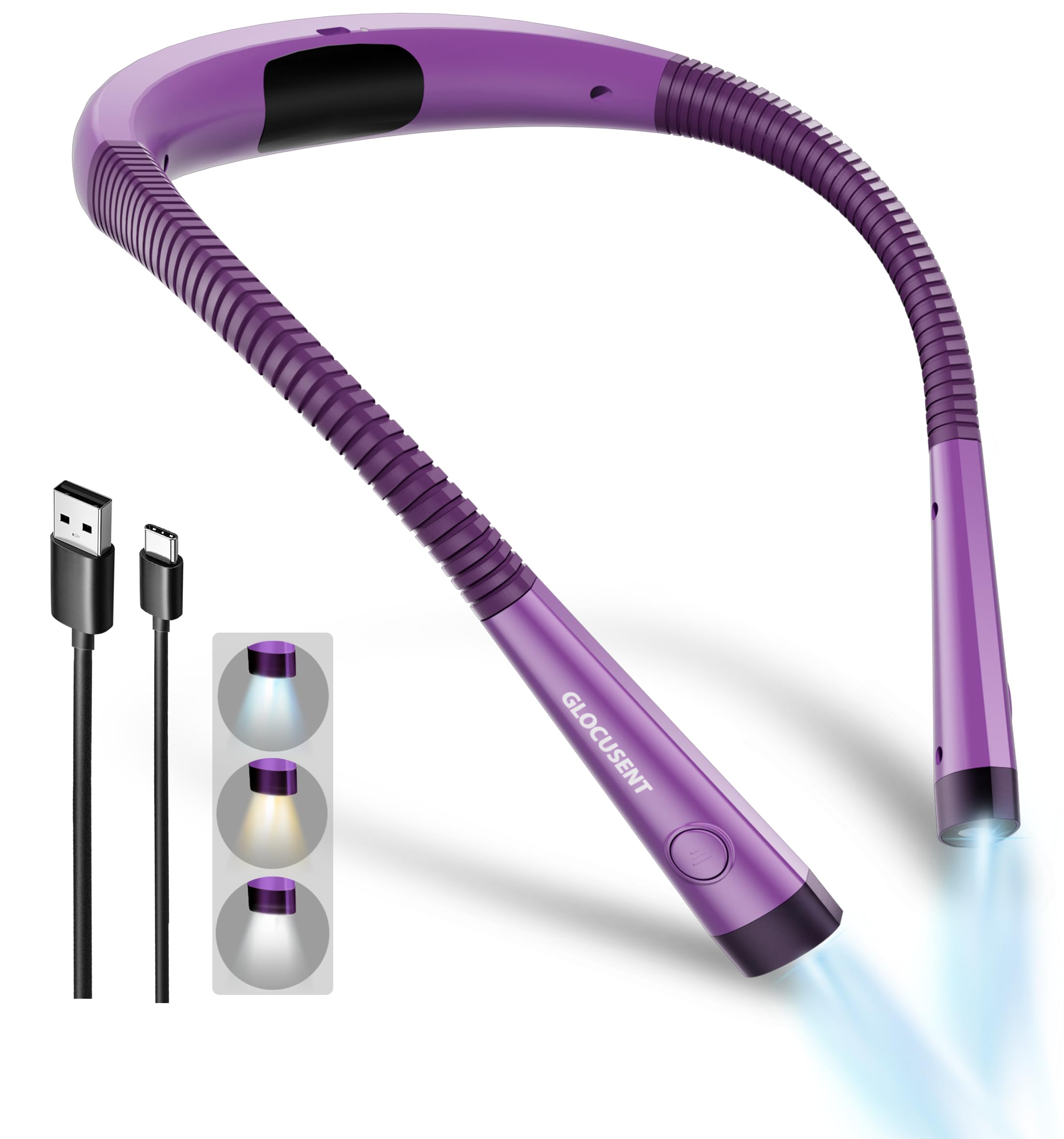
- Offers three color modes and adjustable brightness.
- The bendable arms can be adjusted for a comfortable angle.
- Its narrow beam is designed to illuminate a focused area.
Best Gift For: Book lovers who read in bed or want hands-free light for reading.
Cross Classic Century Gold-Plated Ballpoint Pen
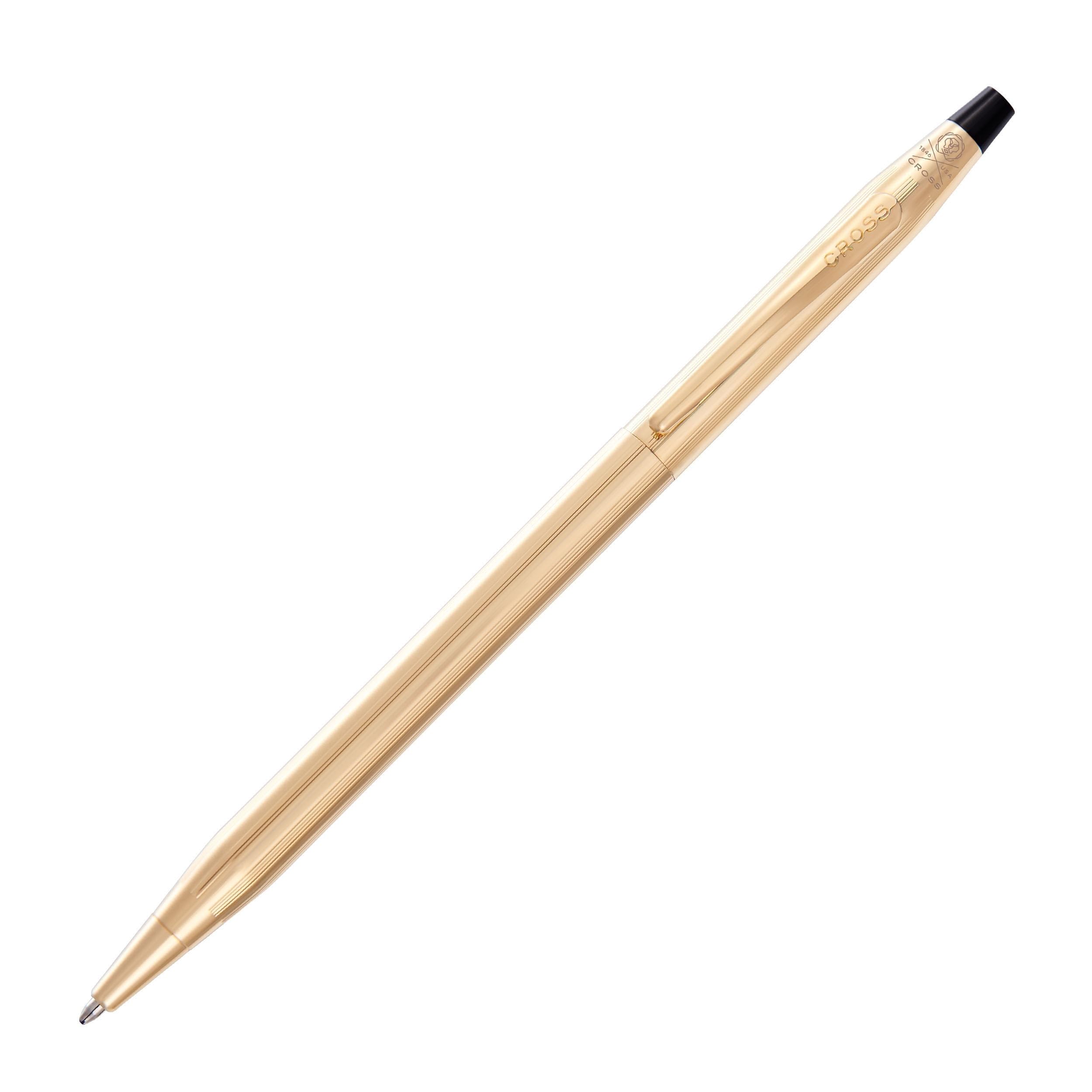
- Features a slim metal body and swivel-action mechanism.
- Made for smooth writing with a comfortable grip.
- Arrives in a gift box.
Best Gift For: Someone who enjoys journaling, taking notes, or writing by hand.
TOMLOV DM9B Digital Microscope, 16GB
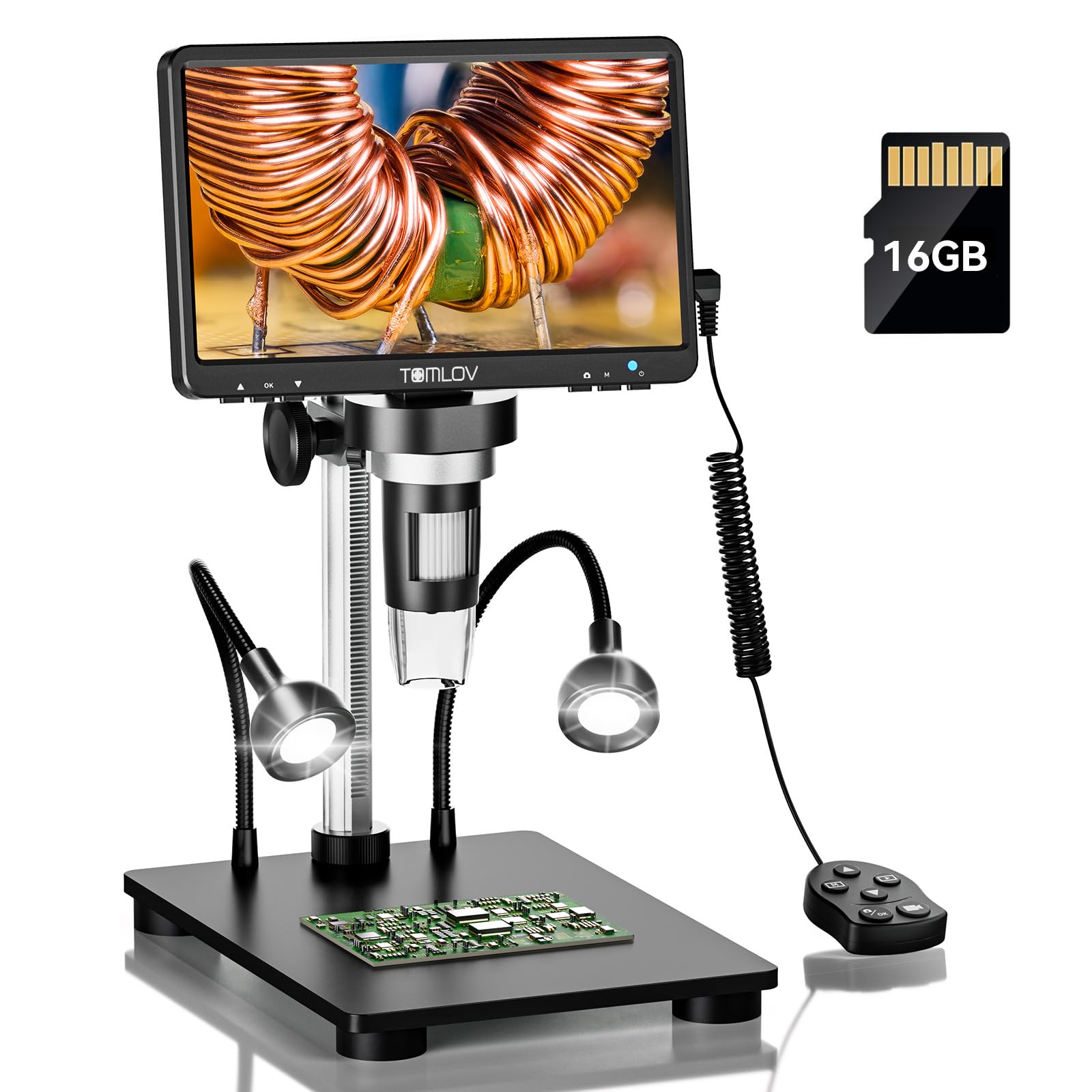
- The rotatable screen supports viewing images and videos.
- Includes a microscope magnification range for close observation.
- A Micro SD card is included for storing photos and videos.
Best Gift For: A curious adult, student, or collector who likes examining small details.
Clever Fox Planner PRO Light Weekly Planner
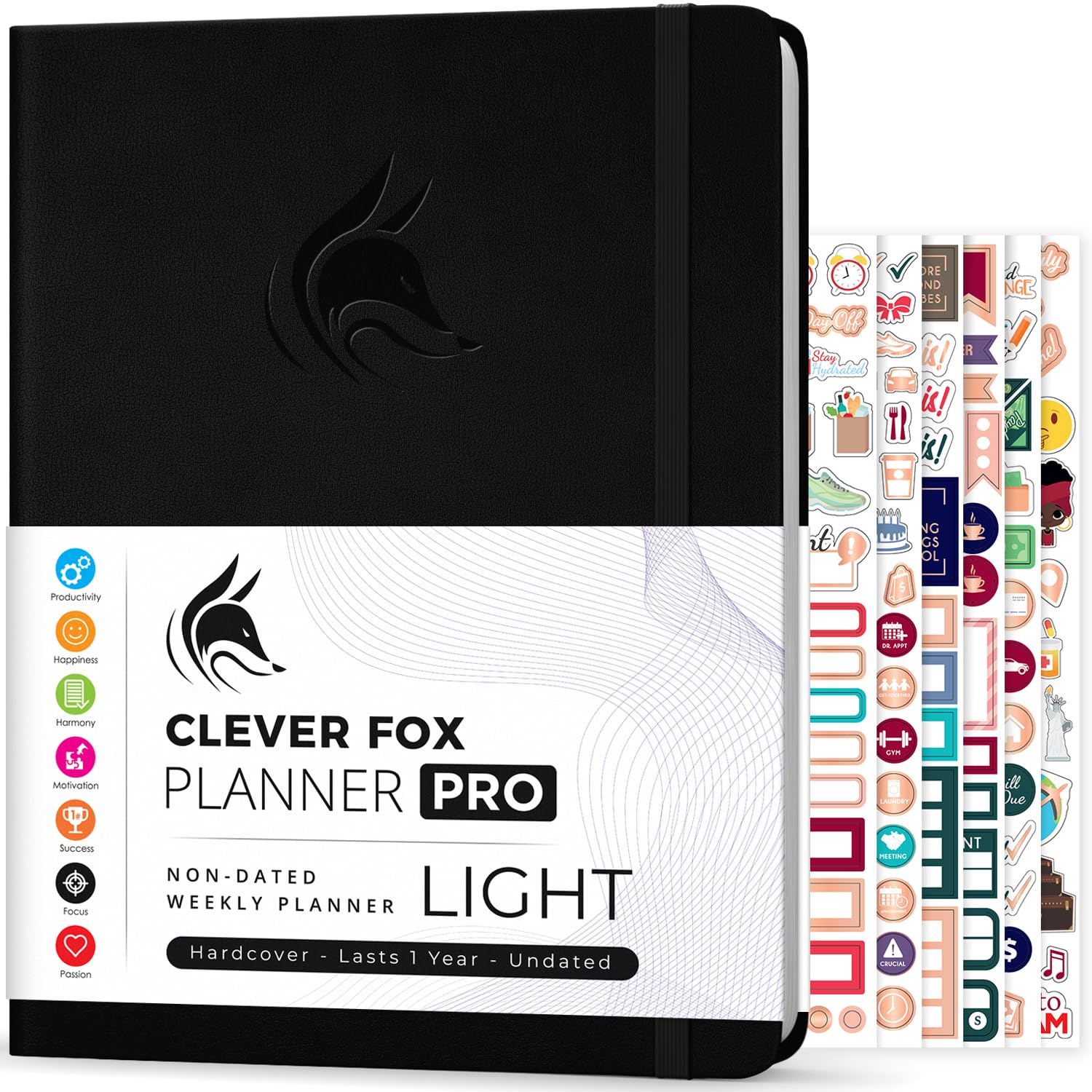
- Connects long-term goals with monthly, weekly, and daily planning.
- Its undated pages can be started at any time of year.
- Includes a quick-start guide and planning stickers.
Best Gift For: A learner who wants to organize study time and work toward personal goals.
Light-Up Crystal Growing Kit for Kids
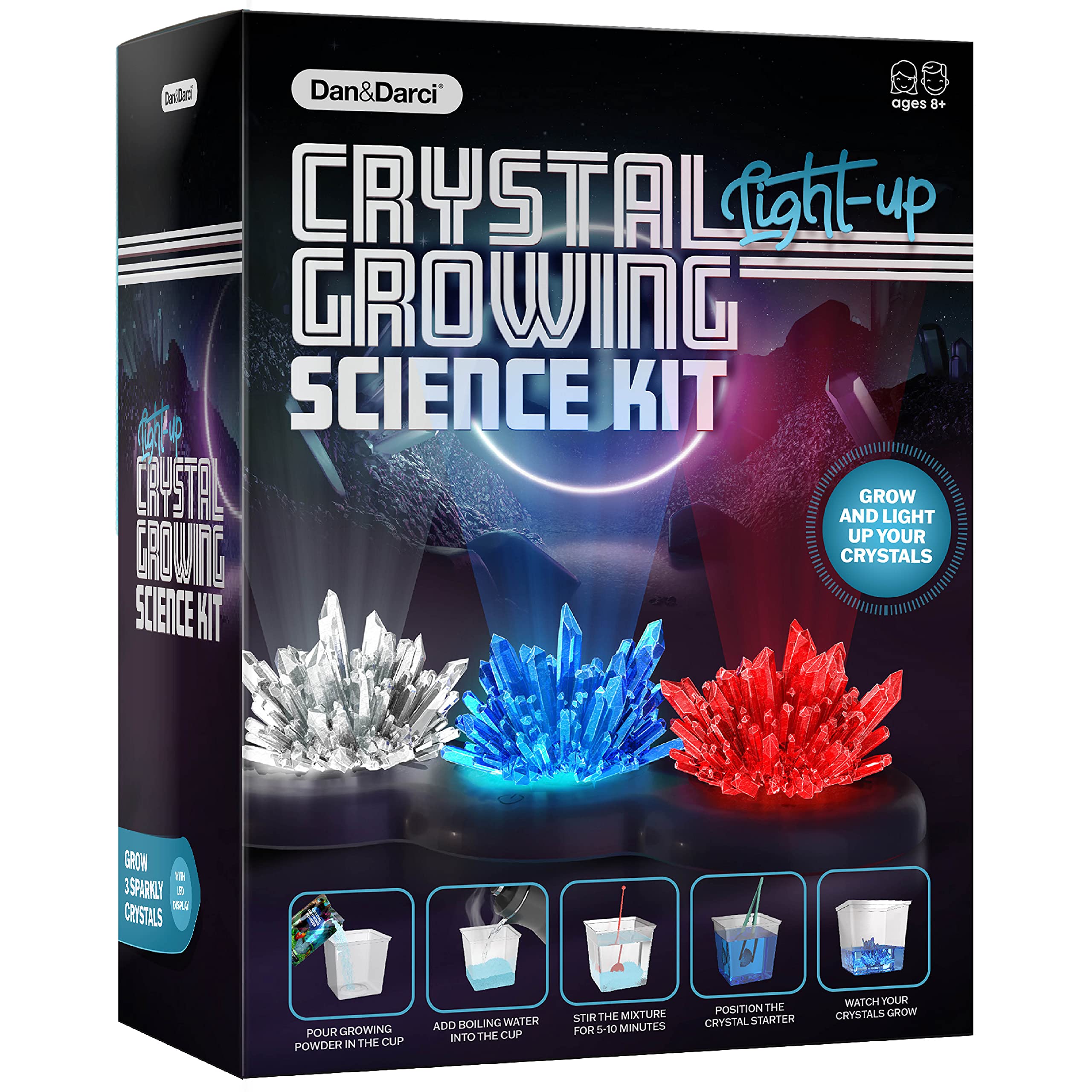
- The kit includes materials for growing crystals in three colors.
- A light-up display provides a way to show the finished crystals.
- The illustrated booklet explains how crystals form.
Best Gift For: A child interested in a hands-on science activity with a grown-up nearby.
Learning Resources 1-2-3 Build It Robot Factory
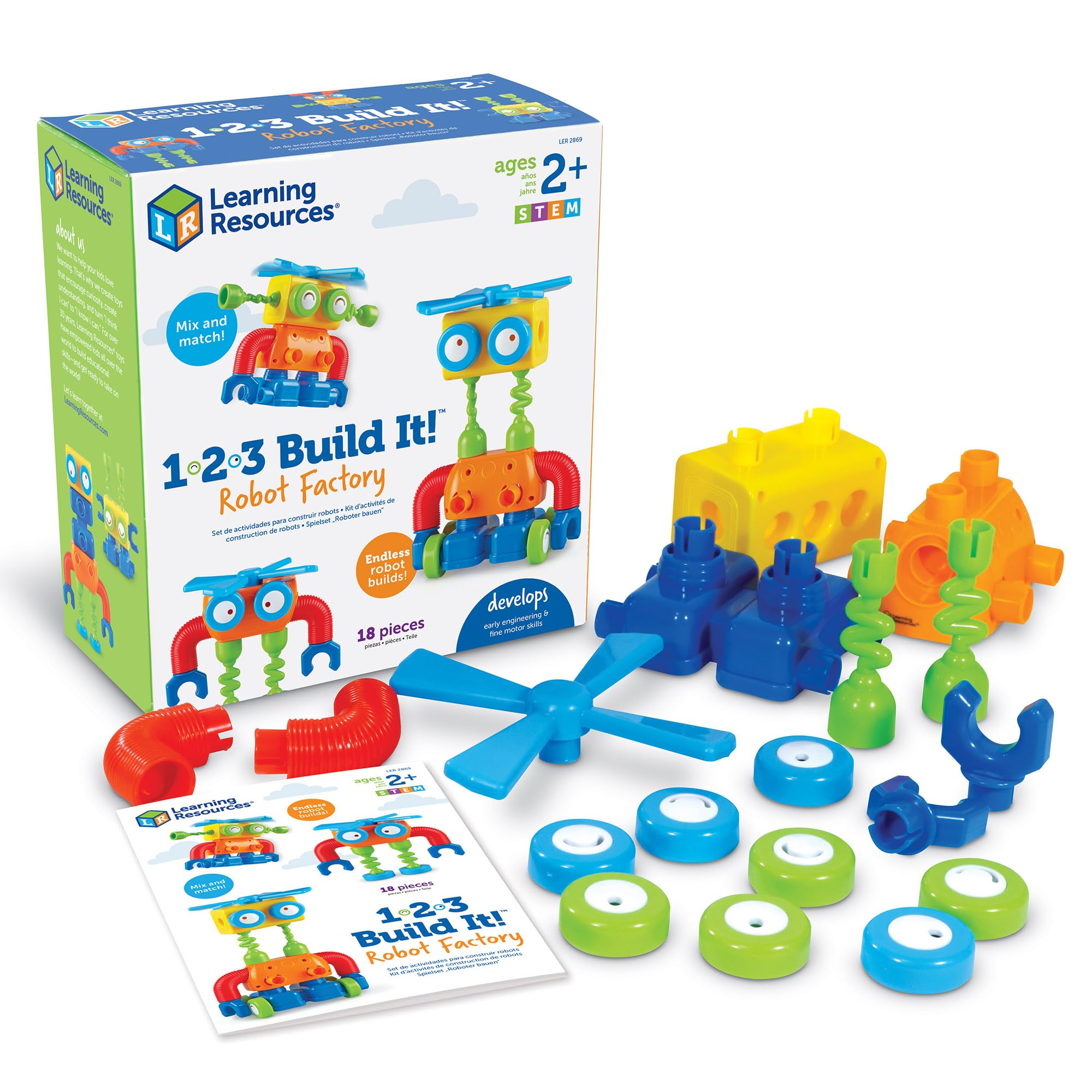
- The pieces let children build their own robot creations.
- The activity supports early engineering and critical thinking.
- Designed for children ages two and up.
Best Gift For: A young child ready to build imaginative robot creations.
Learning Resources Minute Math Electronic Flash Card
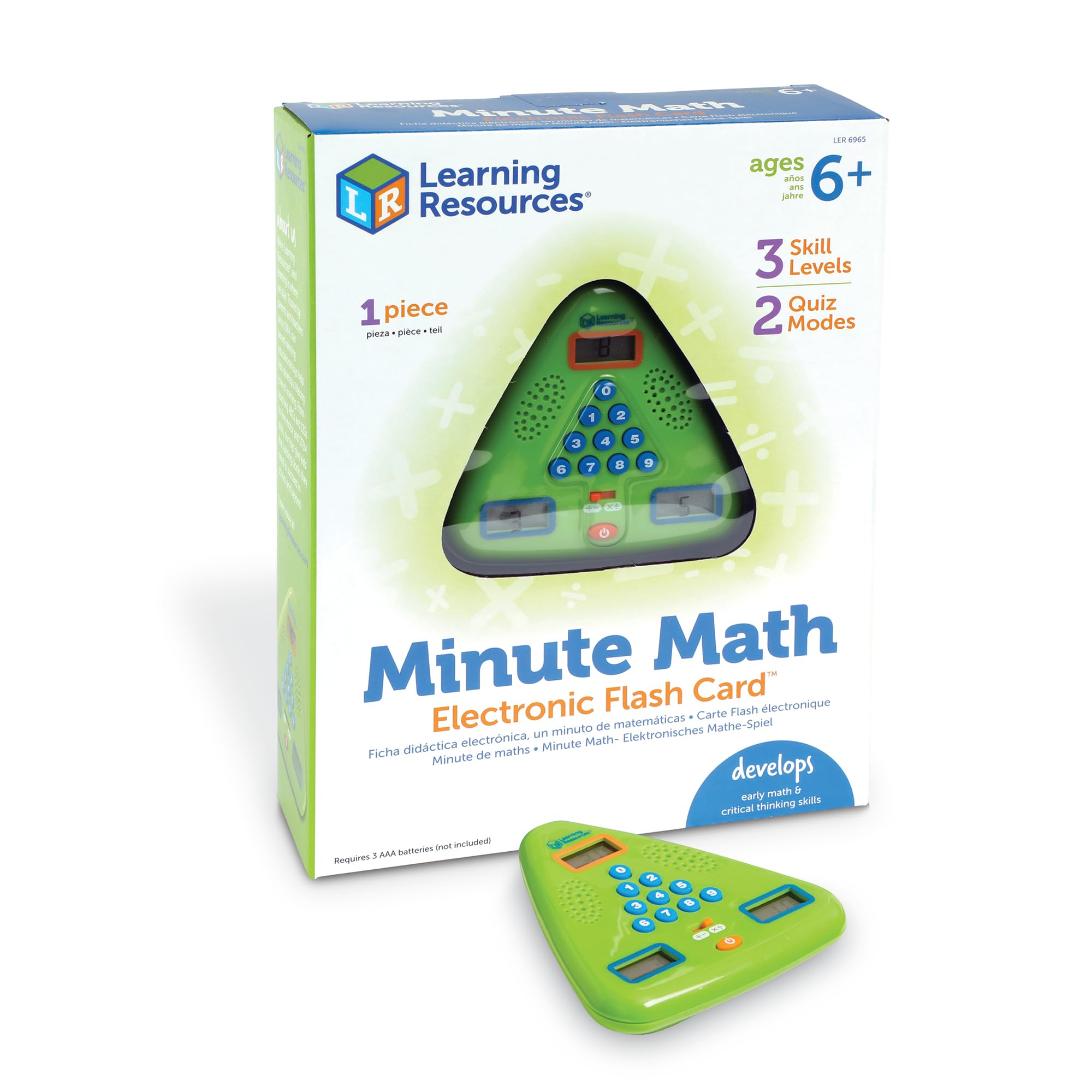
- Covers addition, subtraction, multiplication, and division.
- One-minute challenges make practice game-like.
- Sound can be disabled for quiet practice.
Best Gift For: A student who wants extra practice with basic math facts at home or on the go.
Whitelines Graph Notebooks, 3-Pack
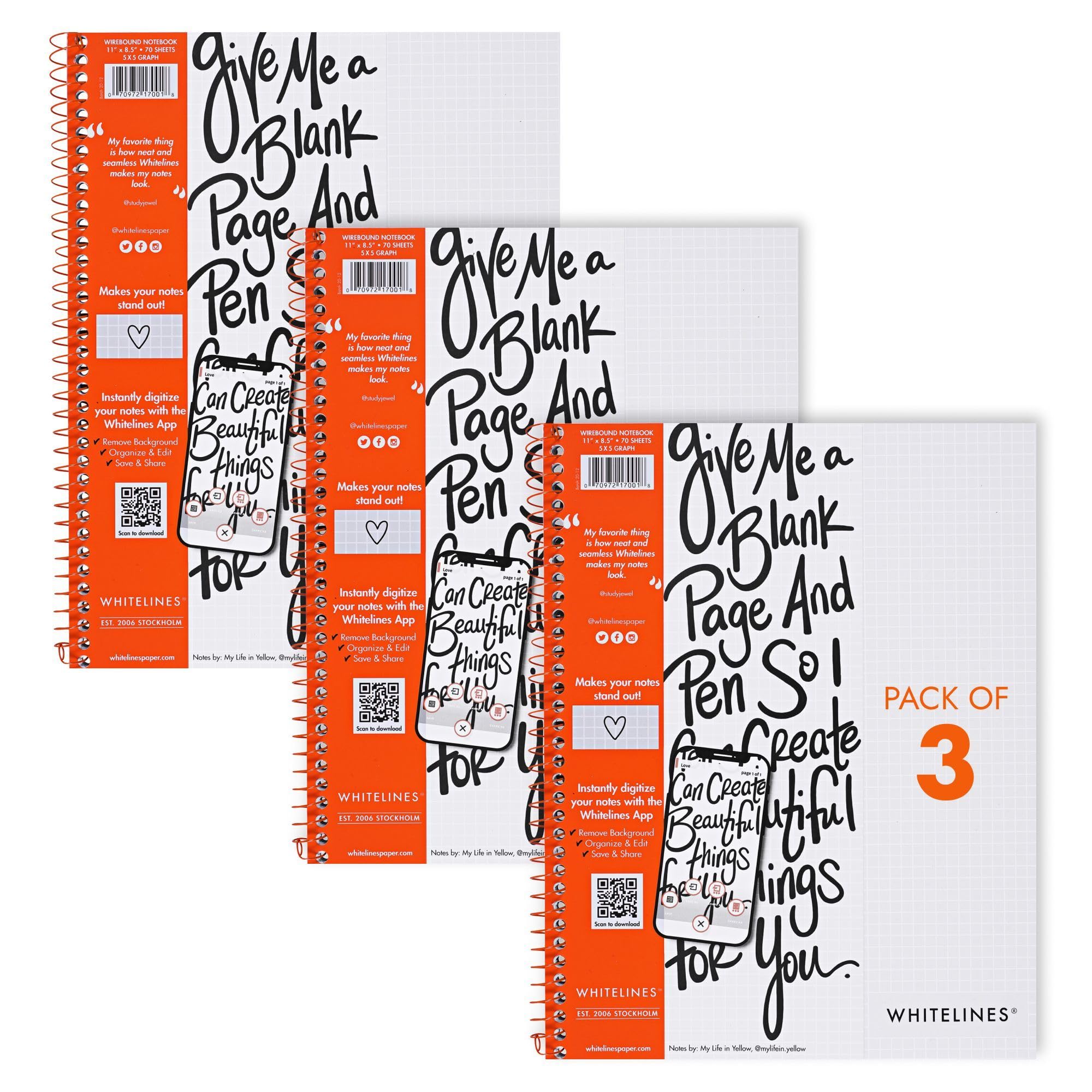
- The set contains three spiral notebooks.
- Graph paper has a light gray tint.
- The app removes the background from captured notes or drawings.
Best Gift For: A learner who takes handwritten notes or sketches and likes saving a digital copy.
SKYDUE Rotating Desk Organizer with 5 Slots
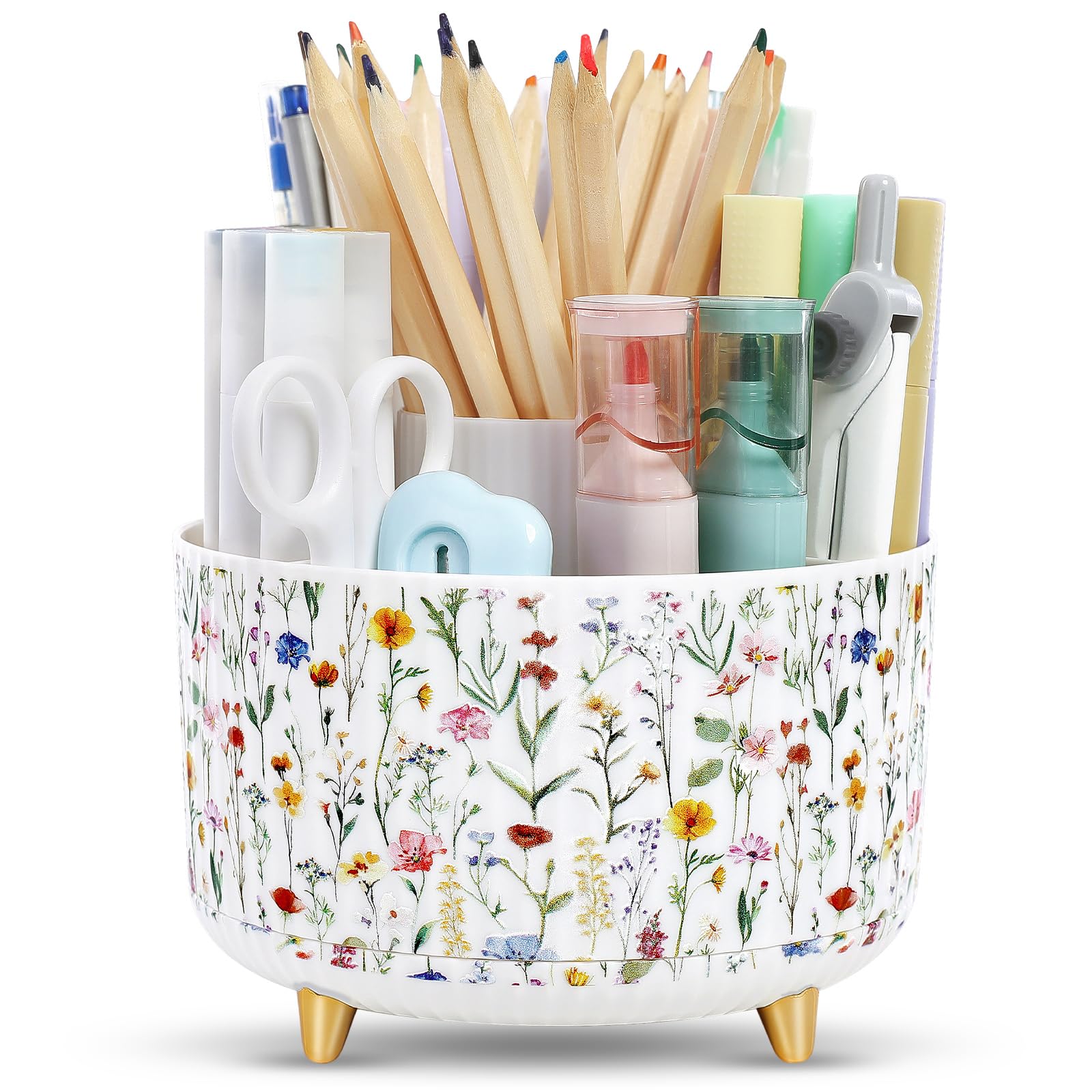
- The organizer has five compartments for desktop storage.
- Rotates to make writing tools easier to reach.
- The design can add a decorative touch to a workspace.
Best Gift For: A student or note-taker who wants writing tools and small items organized on a desk.
1. Match birthday gifts for people who love learning to how they explore
For birthday gifts for people who love learning, start by noticing what the recipient chooses to do in their spare time. A family member who likes lively conversation may enjoy a game that opens up money topics, while a patient observer might prefer looking closely at coins, rocks, or other small objects.
Age and independence matter, too. A younger child may find a building activity more approachable than a planner or a timed math challenge; an older learner may appreciate tools they can return to for study, reading, or personal projects.
Think about whether the recipient likes to experiment alone, learn alongside family, or share discoveries with friends.
Consider where the gift will fit into daily life. A reader who settles in after others go to sleep may use a focused reading light, while someone who keeps a notebook close could make regular use of paper and a pen.
A practical match often gets used more than an ambitious activity that has no natural place in the recipient’s routine.
2. Set a comfortable budget for a learning gift
Choose a spending range that feels appropriate for the occasion, then compare the kind of experience each option offers. A small desk accessory or practice tool can be a thoughtful gesture; a more involved experiment or digital device can suit a milestone birthday or a shared family present.
The value comes from matching the gift to a real interest, not from making it elaborate.
For hands-on kits, review the components and instructions; for electronics, check compatibility and any setup needs before buying. A microscope may invite repeated exploration, while a crystal project can provide an activity to do together.
Decide whether you want a ready-to-use present, a recurring study aid, or something that calls for adult participation.
Check current prices before deciding, since the amount can change. If you are choosing between two options, weigh likely use, available space, and whether the recipient already owns something similar.
A modest gift paired with a note about why it reminded you of them can feel considered without pushing the budget.
3. Personalize birthday gifts for people who love learning
Birthday gifts for people who love learning feel especially thoughtful when they connect to a specific curiosity. For a budding scientist, mention a question you have heard them ask; for someone who keeps a journal, choose a notebook or pen and write a short note on the first page.
A personal detail makes the gift feel chosen for them.
Presentation can invite the recipient into the activity. Wrap a project kit with a small card suggesting a time to try it together, or pair a planner with a note about a goal they have mentioned.
If you give a game, offer to join the first round; that small invitation can make a learning gift feel welcoming rather than like homework.
Keep personalization simple and accurate. A gift tag can name the topic that sparked your choice, such as reading, building, or exploring details, without promising a particular result.
If the recipient is a child, consider coordinating with their caregiver about age fit, supervision, and where the activity will be used.
4. Choose a gift that fits the recipient’s setup
Before purchasing, think through practical details: desk or shelf space, lighting, whether the recipient prefers paper or digital notes, and the devices they already use. A rotating organizer makes most sense for someone with a study area; a portable practice activity may suit a student who often studies away from home.
These everyday details help a useful gift find its place.
For electronic products, confirm compatibility with the recipient’s computer or charging setup when relevant, and check current product details for included accessories. For notebooks and organizers, compare dimensions with the intended workspace.
These checks are especially useful if the item needs to fit in a bag, share a crowded desk, or work alongside existing supplies.
Think about how much support the recipient may want. Some people enjoy figuring out a new tool independently; others would welcome a quiet first session together.
For children’s activities, ask a caregiver whether the timing and level of adult involvement suit the family. Choosing around the recipient’s comfort makes curiosity easier to follow.
5. Make last-minute buying decisions carefully
When time is short, narrow the choice by asking two questions: what topic holds the recipient’s attention, and when could they use the gift? A reader may be glad to have an evening reading aid, while a math learner may use a portable practice tool during a quiet break.
These clues can make a quick choice feel personal.
Before ordering, check the current product details, compatibility, dimensions, and delivery estimate. Availability and arrival timing can change, so avoid relying on assumptions when the birthday is close.
If an item may arrive late, a handwritten card describing the learning activity you chose can give the recipient something thoughtful to open on the day.
If you are unsure, choose a flexible tool or an activity you can share, then include a short note inviting the recipient to pick a first topic or project. Keep the message warm and specific: mention a question they asked, a subject they enjoy, or a skill they are developing.
That context can turn a practical present into a memorable birthday gesture.